Mota-Engil gets $62.6 million guarantee for Angola's Lobito railway
Mota-Engil has secured $62.6 million in guarantees from the World Bank Group for its investment in Angola's Lobito Atlantic Railway.
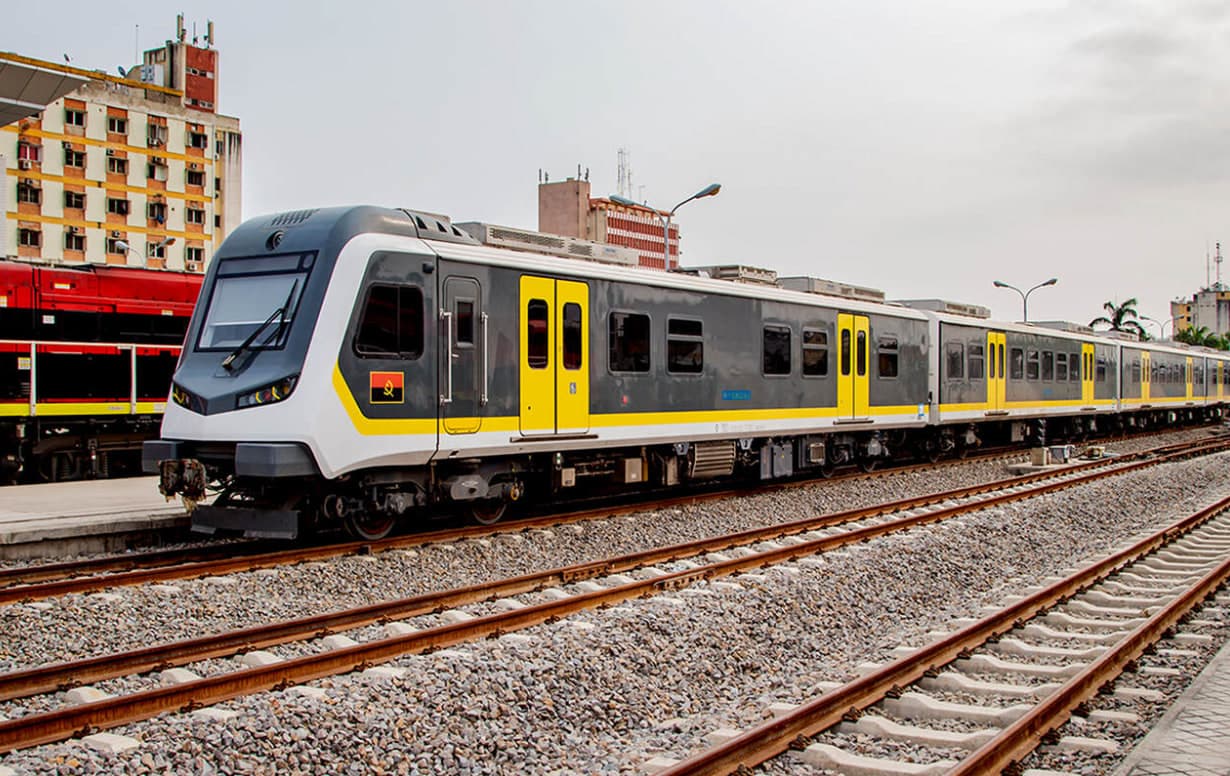
Mota-Engil Pic
Mota-Engil has secured $62.6 million in guarantees from the World Bank Group for its investment in Angola's Lobito Atlantic Railway.
The guarantee was issued by the Multilateral Investment Guarantee Agency (MIGA) on 10 September.
MIGA is covering specific political and non-commercial risks linked to the investment. These include expropriation, war and civil disturbance and breach of contract.
Mota-Engil operates the railway under a 30-year concession from the Angolan government.
AI-generated summary. It can miss nuance — read the full story above for the complete picture.
Mota-Engil has secured $62.6 million in guarantees from the World Bank Group for its investment in Angola's Lobito Atlantic Railway. The guarantee was issued by the Multilateral Investment Guarantee Agency (MIGA) on 10 September. MIGA is covering specific political and non-commercial risks linked to the investment. These include expropriation, war and civil disturbance and breach of contract. Mota-Engil operates the railway under a 30 year concession from the Angolan government. The railway runs for about 1,300 kilometres, linking the Port of Lobito with Luau, close to the Democratic Republic of Congo border.
The work is already under way
This is not a new railway project waiting to be built. Mota-Engil is already operating the line and is responsible for its maintenance and upgrades. The work includes railway equipment, stations, workshops and signalling. The project also has freight facilities at Lobito and Luau, as well as a mineral terminal at the port. The condition of the railway and its ability to move freight reliably will matter to companies deciding whether to use it.
“The $62.6 million is not new funding for Angola. It protects Mota-Engil's investment in the railway.”
Mining companies are watching the route
The railway's eastern end sits close to the DRC's mining areas. Copper and cobalt are among the main products that could use the route. The DRC is one of the world's largest producers of both, while Zambia is a major copper producer. For mining companies, rail offers an alternative to moving large quantities of minerals by truck over long distances. That does not mean the cargo will automatically move by rail. Mining companies will compare the price, capacity and reliability of the railway with other transport options.
There are jobs around the railway
MIGA says about 945 people currently work on the railway. It expects employment to reach more than 1,600 at peak operations, with around 97% of workers expected to be Angolan. The railway also creates demand for services from other companies. Vehicle repairs, equipment maintenance, construction, security, cleaning, catering, accommodation and transport are some of the areas where local businesses can find work. For SMEs, getting a contract may mean working for a larger contractor rather than dealing directly with Mota-Engil. That can still be useful business, but companies have to meet the safety, insurance and technical requirements that come with large infrastructure projects.
Lobito is not only a mining route
The railway passes through Benguela, Huambo, Bié and Moxico. That gives it a potential role in moving ordinary goods around Angola as well. Agricultural produce, fuel and construction materials can all use the railway. For an inland business, getting goods to the Port of Lobito by rail could be useful if the service is cheaper and more reliable than sending them by road. The same applies in the other direction for goods coming from the coast.
What the guarantee actually means
The $62.6 million does not represent new government funding for Angola. It is protection for Mota-Engil's investment. MIGA's involvement reduces some of the risks associated with operating a major piece of infrastructure under a long term concession. The railway itself still has to make money. That will depend on how much freight it carries, what customers are willing to pay and how consistently the line can operate. For local businesses, the measure will be even simpler: whether more work starts moving through the railway's supply chain. The Lobito line already reaches the DRC border. The investment now being made is about getting more use out of the railway and the facilities around it.