Why Connectivity Is Now the Weak Point in Tracking Systems
Most tracking systems rely on one basic assumption: network coverage will always remain available when needed. In South Africa, that assumption is becoming less reliable as criminals use more advanced methods to disrupt vehicle and asset tracking technologies. Signal jamming and communication interference no longer happen in isolated cases. During hijackings, cargo theft, and organised
Why Connectivity Is Now the Weak Point in Tracking Systems
Most tracking systems rely on one basic assumption: network coverage will always remain available when needed. In South Africa, that assumption is becoming less reliable as criminals use more advanced methods to disrupt vehicle and asset tracking technologies.
Signal jamming and communication interference no longer happen in isolated cases. During hijackings, cargo theft, and organised criminal activity, attackers increasingly target the communication layer that keeps tracking devices connected. In many cases, systems fail because they cannot stay online during network disruption, not because the tracking hardware stops working.
This challenge has shifted the focus of the tracking industry. Companies no longer focus only on location accuracy or hardware quality. They now place greater importance on reliability under pressure. A tracking device that loses communication during an incident immediately loses much of its value.
Tracking Systems Are Becoming More Resilient
To reduce this risk, companies are rethinking the design of modern tracking systems. Instead of relying on a single network path, newer solutions use layered connectivity. A vehicle may operate on primary cellular coverage under normal conditions, while backup communication systems activate when interference or network failure occurs.
Companies want to keep tracking systems active even in difficult conditions. This approach matters even more in South Africa, where network instability, remote coverage gaps, and deliberate signal disruption continue to affect fleet operators and private vehicle owners.
New Technologies Are Changing the Industry
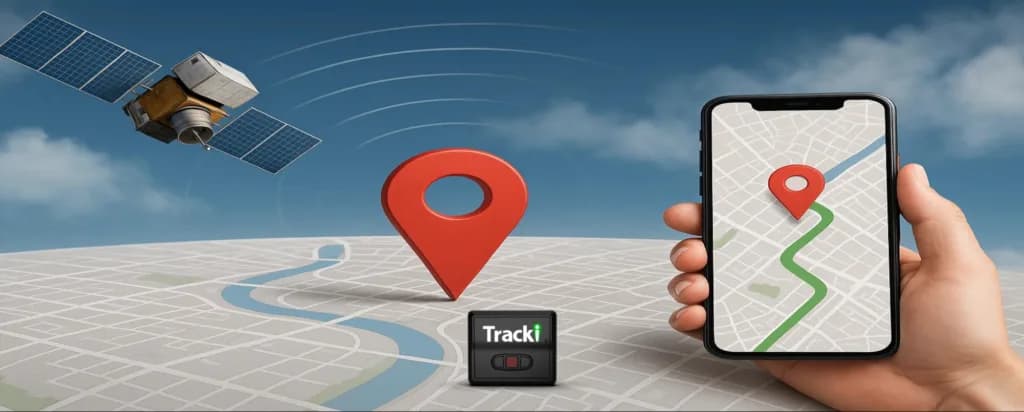
Technologies such as low-power wide-area networks and satellite-assisted communication are also changing how the industry approaches resilience. These systems operate with lower bandwidth requirements and continue functioning in environments where traditional cellular networks struggle.
Throughout the tracking sector, companies are shifting their focus from simple connectivity to communication continuity. The systems that perform best are no longer only the ones with the most features, but the ones that maintain communication when it matters most.