
More companies are relocating to Cape Town
Cape Town is experiencing a surge in corporate relocation as companies seek dependable service delivery. According to Brent Townes, Commercial Property Chief Operating Officer at Lew Geffen Sotheby's International Realty, semigration is driving not just the movement of families but also the relocation of companies, as Cape Town sees growing demand for company premises. Townes
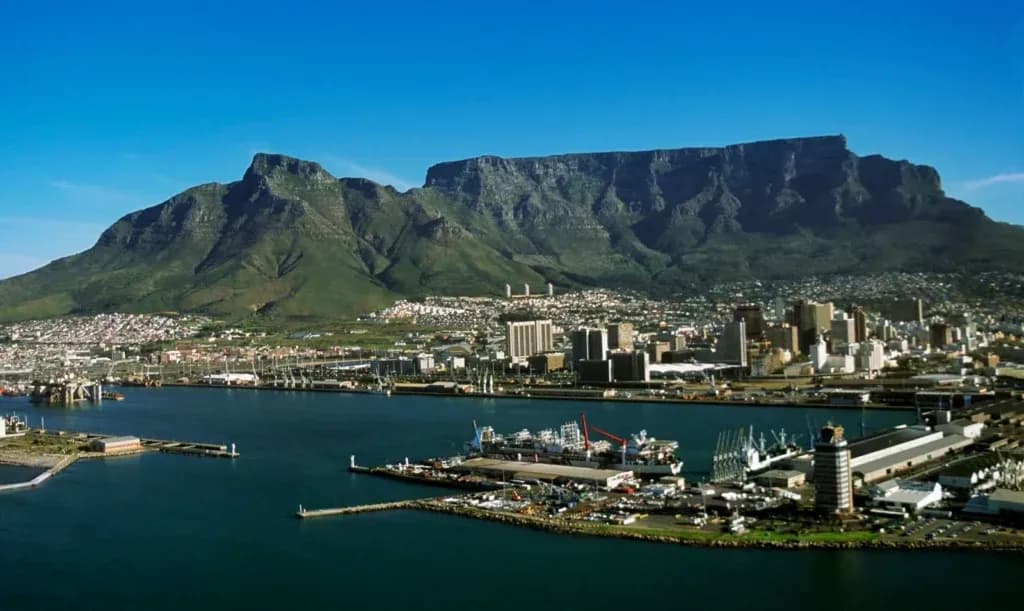
More companies are relocating to Cape Town
Cape Town is experiencing a surge in corporate relocation as companies seek dependable service delivery.
According to Brent Townes, Commercial Property Chief Operating Officer at Lew Geffen Sotheby’s International Realty, semigration is driving not just the movement of families but also the relocation of companies, as Cape Town sees growing demand for company premises.
Townes examined a FNB research on main drivers of sales and movements in the South African commercial property market.
“According to the report, the primary reason for moving premises in the fourth quarter of 2022 was financial constraints (31.68%) which doesn’t come as a surprise; however, what is notable is that the second most commonly cited reason was to relocate to an area with more reliable utilities and municipal services (23.10%),” Townes said.
In 2019 and 2020, the percentage of sellers shifting premises for improved service delivery was between 9% and 12%; however, by mid-2022, the figure had risen to 24.2% – with a little decline in the fourth quarter.
Moves for larger/better premises (22.10%), closer access to markets (22.00%), improved transportation access (18.40%), and downscaling (3.70%) followed the requirement for dependable service delivery on a national scale.
According to a study by the Auditor-General, just 41 of South Africa’s 257 municipalities obtained clean audits, with many failing to spend enough on crucial infrastructure upkeep.
With 22 of the 41 municipalities in the Western Cape having clean audits, Townes believes that additional corporate migration to the Western Cape is possible.
Furthermore, Cape Town’s reduced load shedding is appealing to companies.
“Cape Town not only has a high service delivery rating, but it also experiences less loadshedding than the rest of the country and, with the local government on track with their scheme for commercial property owners to supply own solar-generated power back to the local grid,” Townes said.
The production of hydroelectricity from the Steenbras Dam reduces load shedding in Cape Town.
The electrical picture is likewise promising, with tax reductions for solar and the restoration of Koeberg in the next twelve months.
Also, the urge to sell owing to financial concerns is lower in Cape Town than in inland metros – 19.9% against low 30%s in upcountry towns.
Moving for better or larger premises, as well as greater transportation access, are two of the key reasons for selling in Cape Town.
Businesses wishing to enhance their premises in sought-after central districts or for transportation logistics, on the other hand, confront a significant challenge: there is limited stock available since owner-occupier properties are often closely controlled.
There is also no available development area in and around the city. For exports, the airport and harbour are also already congested.
“This has led to new development on the Northern and Western Suburbs, which is ongoing with rapid expansion on the N7 logistics corridor and as far up the coast as Saldanha, where South Africa’s first free port is being developed,” Townes said.
The desire to relocate for superior service delivery is placed sixth in Cape Town and second nationally, indicating that firms in Cape Town believe they have better access to services.