Mining specialists warn that South Africa has considerably more difficulties than Eskom
According to experts at the 2023 Mining Indaba in Cape Town, Transnet is generating much more headaches for the South African mining sector than Eskom. They claimed that mining firms had lost R51 billion in revenue in the previous year owing to locomotive shortages and railway lines being out of service for lengthy periods due
Mining specialists warn that South Africa has considerably more difficulties than Eskom
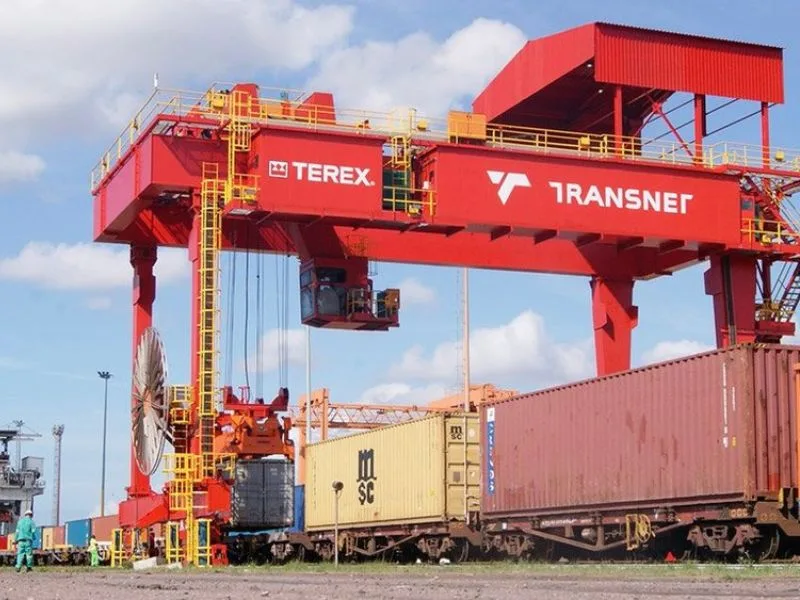
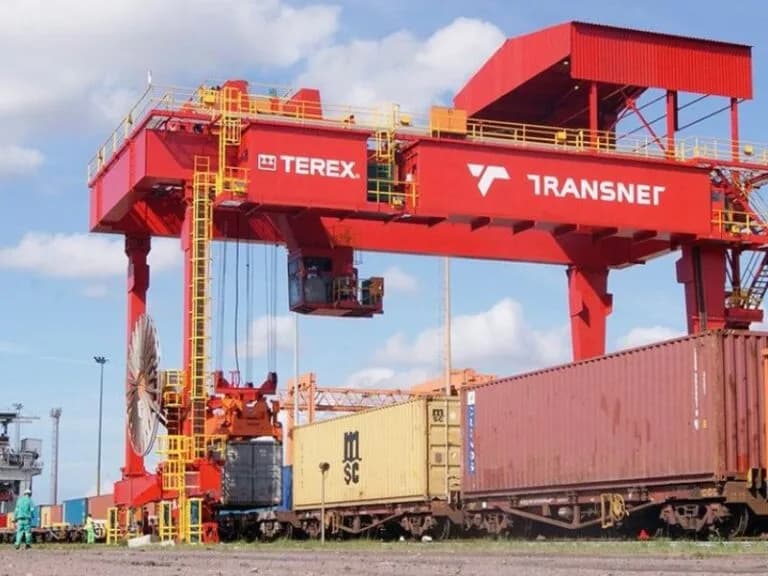
According to experts at the 2023 Mining Indaba in Cape Town, Transnet is generating much more headaches for the South African mining sector than Eskom.
They claimed that mining firms had lost R51 billion in revenue in the previous year owing to locomotive shortages and railway lines being out of service for lengthy periods due to wire theft.
According to the City Press, Mining Indaba participants stated that Transnet’s issues prevented the mining industry from fully thriving in comparison to the previous year.
Commodity prices were 90% higher in dollar terms by the end of 2022 than they were in 2021, yet the value of exports grew by just 2.5% last year.
The mining industry contributes over $500 billion to South Africa’s GDP. If the mining industry had attained export values commensurate to the increase in commodity prices, the national economy could have been transformed.
President Cyril Ramaphosa acknowledged Transnet’s challenges and stated that the SOE’s ambitions to include third parties on its lines will be a net benefit.
“When we open up routes to third-party access, it will bring much-needed investment for the renovation, maintenance and rehabilitation of railway lines,” said Ramaphosa.
“We realise that we can only solve crises like this if we cooperate with the private sector.”
“This third-party access to railway lines shows that we want to [do that].”
Transnet has also stated that it intends to reduce its 20,000km rail network by at least one-third in order to prioritise profitable freight cargoes.
“At this point, we can’t justify operating something which actually causes us to make a loss, and so that’s why there’s this revision of certain flows across the network,” said Transnet chief executive officer Portia Derby in an interview this week.
Transnet chief strategy and planning officer Andrew Shaw agreed.
“We can operate more effectively with a slightly smaller network,” said Shaw.
“It still serves the economic interest of the country, and it still allows additional operators.”
However, Transnet’s challenges are not restricted to infrastructural issues.
The United National Transport Union (UNTU) warned its members at Transnet in October last year that they would go on strike in order to achieve a larger salary rise.
Transnet had initially proposed a 1.5% rise, but after learning of the possibility of a strike, it increased its offer to 3%.
This was nonetheless regarded unacceptable because it was much lower than the yearly inflation rate of 7.6%.
UNTU agreed hikes of up to 6% and better housing and medical benefits twelve days after the strike began.
Lobby group Minerals Council South Africa estimated that the strike cost companies about R815 million per day due to daily shipments of iron ore, coal, chrome, ferrochrome, and other bulk minerals falling by about three-quarters.