
Meta faces privacy questions over smart glasses footage in Kenya
Meta is under investigation in Kenya after reports that footage from its Ray-Ban smart glasses, including private moments, was reviewed by workers at an outsourcing company in Nairobi. The case has put the spotlight on how the company handles recordings and who is held responsible when people's privacy is compromised.
Meta
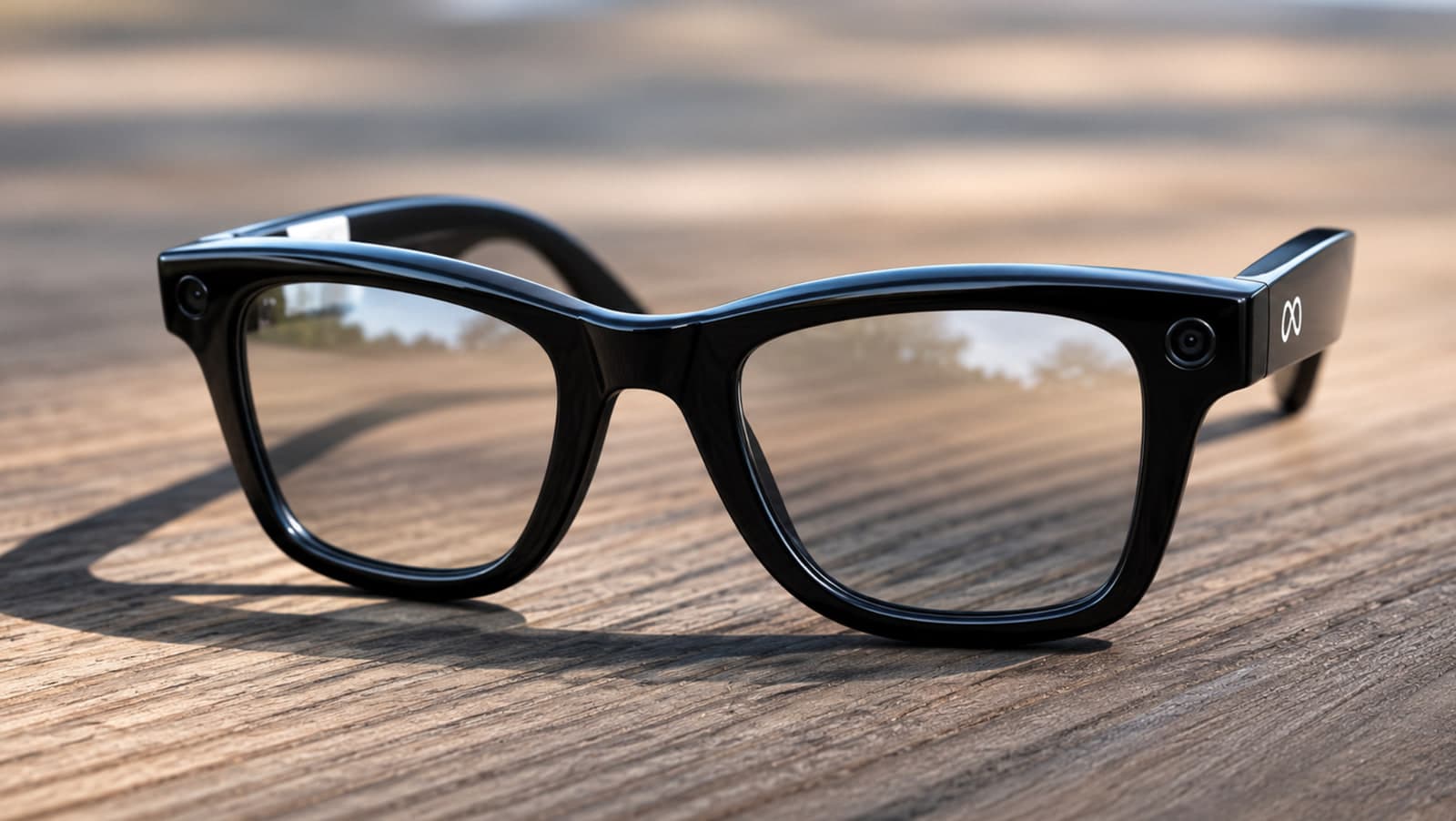
Kenya is investigating Meta and its outsourcing partners after reports that private footage recorded by Ray-Ban smart glasses was reviewed by workers in Nairobi.
AI-generated summary. It can miss nuance — read the full story above for the complete picture.
Kenya is investigating Meta and its outsourcing partners after reports that private footage recorded by Ray-Ban smart glasses was reviewed by workers in Nairobi. A video recorded in Nairobi without a woman's knowledge ended up being watched by millions of people on social media. In a separate incident, footage captured by Meta's Ray-Ban smart glasses reportedly showed people in private situations, including undressing and using the toilet. Both incidents are now part of a growing debate over how recording technology is used and who is responsible for the material it captures.
Kenya's Office of the Data Protection Commissioner (ODPC) is investigating Meta Platforms, Samasource Kenya EPZ Limited and its US parent, Samasource Impact Sourcing, over the handling of footage from the smart glasses. The investigation follows reports that workers employed by Sama in Nairobi were reviewing recordings to label data for Meta's artificial intelligence systems. Some of the material they encountered was highly personal.
For Meta, the issue goes beyond how its glasses are marketed. The investigation concerns what happens to recordings after users capture them, including who gets to see them and how they are processed.
"The smaller contractor could be left facing the consequences while the larger technology company continues its business."
A woman discovers she was recorded months earlier
One of the complaints submitted to the regulator comes from Kenyan student Joy Kalekye. In March 2025, she was approached by a man while waiting for a friend in Nairobi's Ngara neighbourhood. He asked her a few personal questions. She did not notice that he was recording their conversation. She thought little of the encounter until February 2026, when a friend contacted her to say that a video of her was circulating online.
The footage had attracted considerable attention. A 22 year old content creator who reposted it told the BBC that his upload received more than a million views in two hours. The man who originally filmed Kalekye has not been traced. In her submission to the ODPC, she asked for clearer rules governing recording devices in public places, visible indicators showing when a device is recording and the removal of her video from online platforms.
Her complaint is not the same as the investigation into footage reviewed by Sama workers. However, it shows how easily recordings can move beyond the control of the people appearing in them.
Sama is no longer in a position of strength
The investigation also comes at a difficult time for Sama. Meta ended its contract with the outsourcing company earlier in 2026, resulting in more than 1,100 job losses in Kenya. Meta said Sama had failed to meet its standards, a claim the company disputed. Sama's financial position has since deteriorated. Its US parent has moved towards liquidating its assets, with the company citing declining revenue, competition and the cost of defending legal claims.
This complicates the question of accountability. Sama employed the people who reviewed the footage, but Meta developed the glasses and operated the systems through which the recordings were processed. If the investigation establishes that personal data was handled unlawfully, regulators will have to consider the responsibilities of both companies. The concern is that the smaller contractor could be left facing the consequences while the larger technology company continues its business.
Kenya's penalty may mean little to Meta
Kenya's Data Protection Act allows the ODPC to impose a maximum penalty of KES 5 million or 1% of annual turnover, whichever is lower. That amount is unlikely to make much difference to Meta financially. The company reported revenue of more than $200 billion in 2025.
There are also concerns about proposed changes to Kenya's business laws. The Business Laws (Amendment) Bill includes provisions that could place greater responsibility on outsourcing companies for workers hired through them, even when the client company supplies the tools and directs the work. Critics say this could make it more difficult to pursue large technology companies when problems arise within their outsourcing operations. Kenya's Court of Appeal has previously ruled that Meta can be sued in the country, providing a basis for legal claims against the company.
The problem does not end with the person wearing the glasses
Meta's Ray-Ban glasses are designed to make taking photographs and videos easier. But the people being recorded do not necessarily know when a recording is taking place or what will happen to the footage afterwards. Kalekye wants her video removed. The workers who reviewed sensitive recordings have faced job losses, and Sama is winding down its operations. Meanwhile, the investigation into Meta continues.
The outcome will matter to more than the companies involved. African regulators are increasingly dealing with international technology businesses that collect and process information locally, often through networks of contractors. Kenya now has to establish who should answer when that information is handled in ways that violate people's privacy.