McKinsey: Women Workers to Be More Affected By AI Wave Than Men
Women will be more affected by the upcoming wave of automation and artificial intelligence that could replace almost a third of hours worked across the US economy than men. It is reported by the research arm of consultants McKinsey & Co that examines US labour market trends through to the end of 2030, that women

McKinsey: Women Workers to Be More Affected By AI Wave Than Men
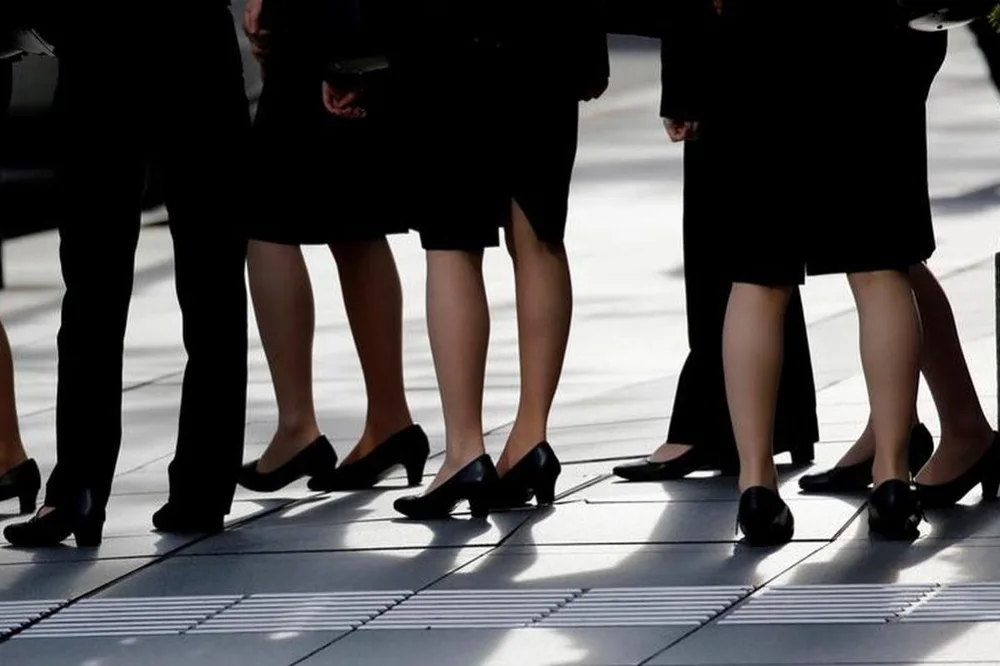
Women will be more affected by the upcoming wave of automation and artificial intelligence that could replace almost a third of hours worked across the US economy than men.
It is reported by the research arm of consultants McKinsey & Co that examines US labour market trends through to the end of 2030, that women are 1.5 times more likely to need to move into new occupations during that period.
According to McKinsey &Co report Blacks and Hispanics will be immensely affected as demands for food and production workers shrinks.
Mckinsey Global Institute said about 12 million workers in the US will need to change careers by the end of 2030. The net-zero emission will disrupt millions of jobs.
The Institute director Kweilin Ellingrud, said the change will concentrate more on low-wage workers, and are more likely to need to change occupations than those on the high-wage positions.
According to report, Lawyers, teachers, financial advisers and architects will be among those who will have to change occupations as they will also be affected by the spread of generative artificial intelligence such as OpenAI’s ChatGPT. Howeever, McKinsey dispute that will largely result in changes in how those jobs are carried out, rather in the destruction of hige swathes of positions.
It “probably won’t be that kind of catastrophic thing, it is going to change almost every job,” institute partner Michael Chui said.
About 3.5 million positions could be cleaned out as the US seeks to end emissions of greenhouse gases, with workers in oil and gas production and automotive manufacturing taking the beating, according to Moneyweb report.
McKinsey argue that by gains stemming from the build-up of renewable energy, primarily though capital investments in new plants, charging stations and the like.
The energy transition with government spending on infrastructure, it will increase demand for construction workers who are already in short supply. McKinsey sees construction employment growing 12% from 2022 through 2030.
To get there, though, “the US will need workforce development on a far larger scale,” McKinsey said.