
Macadamia Nut Shells: for Cleaner Stoves and braiis
South Africa's barbecue culture is about more than just the food; it's a social tonic that brings people together. Nathan Visser, who runs BraaiBaas, a company that sells barbecue-related products, prefers firewood to cook his meat, believing that it doesn't burn long enough to do much environmental damage. However, Michael Duncan, the founder of Shisa
Macadamia Nut Shells: for Cleaner Stoves and braiis
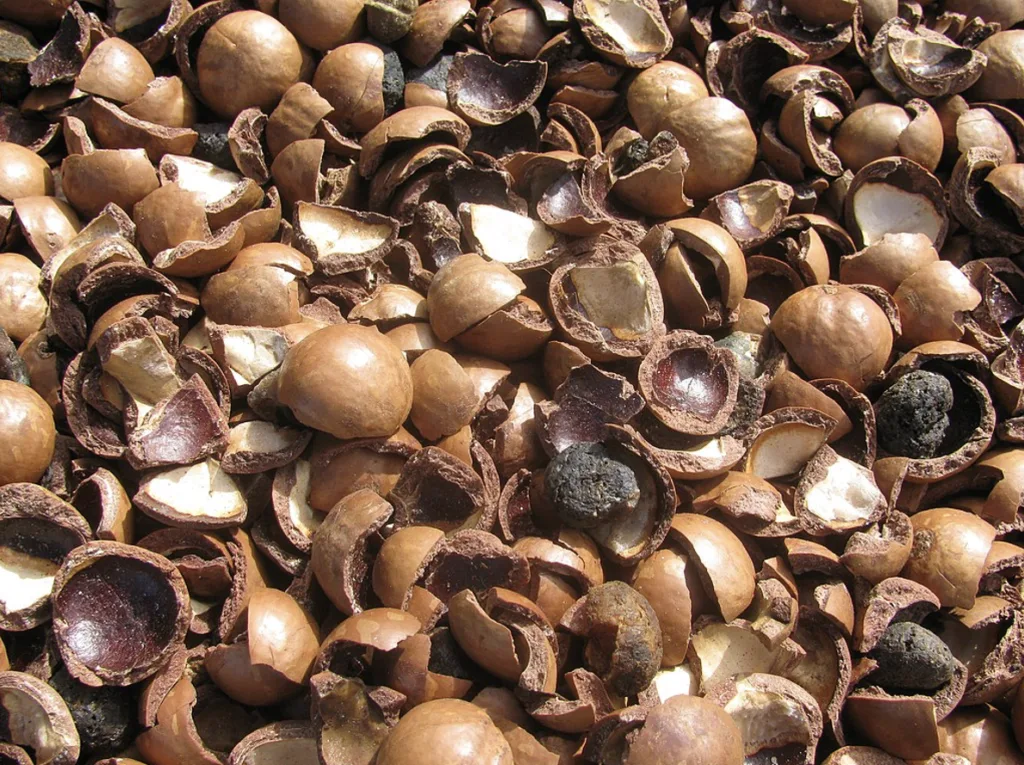
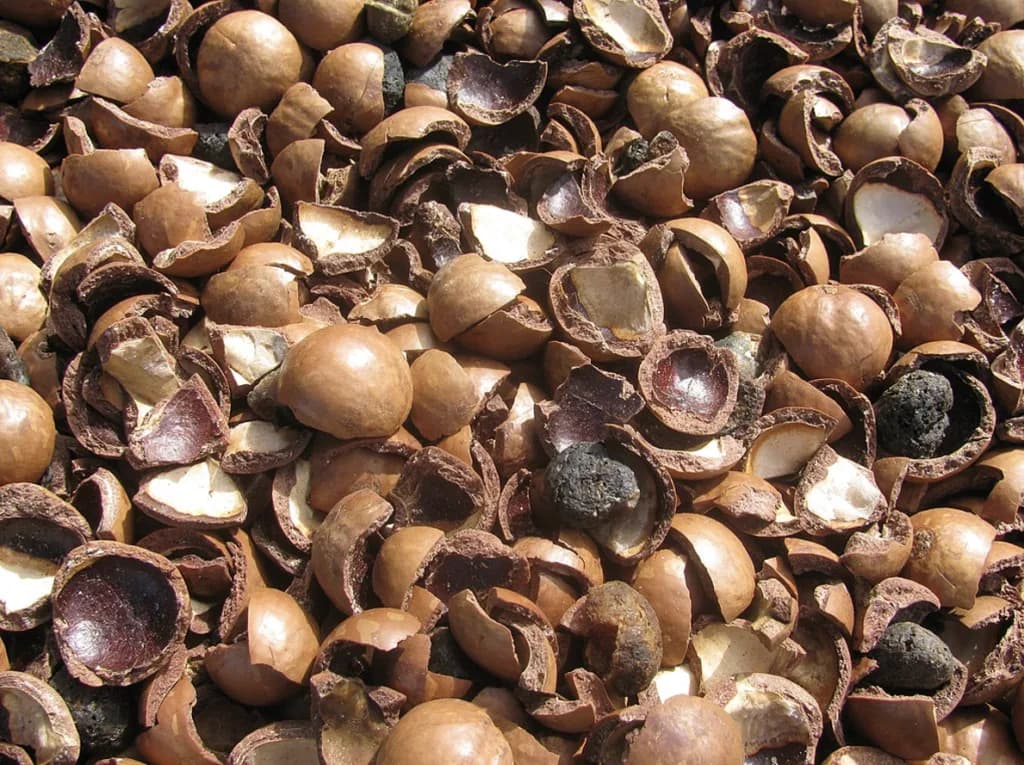
South Africa’s barbecue culture is about more than just the food; it’s a social tonic that brings people together. Nathan Visser, who runs BraaiBaas, a company that sells barbecue-related products, prefers firewood to cook his meat, believing that it doesn’t burn long enough to do much environmental damage. However, Michael Duncan, the founder of Shisa Eco-briquettes, aims to prove him wrong. His company makes briquettes from macadamia nut shells, which are an abundant source of combustible material in South Africa. Duncan argues that his eco-briquettes are an environmentally friendly alternative to charcoal.
Charcoal manufacturing in Africa is often small-scale, emits more carbon dioxide than it needs to, and contributes to deforestation. Briquettes made from waste biomass products can protect forests by replacing charcoal and wood. They are also cost-effective and can be between 20% and 40% cheaper than other cooking fuels. Making briquettes also provides employment opportunities.
The World Health Organization (WHO) estimates that around 2.4 billion people globally use inefficient stoves or polluting cooking methods, including kerosene and coal. Breathing the smoke produced from cooking with polluting fuels can lead to heart diseases, stroke, cancers, chronic lung diseases, and pneumonia. Ziwa Hillington, the managing director of Green Bio Energy in Uganda, makes more efficient cooking stoves and briquettes from waste like charcoal dust, cassava, and maize crops. These briquettes produce no smoke or soot when burnt, making them a much healthier option. They also help mitigate deforestation.
Sylvia Herzog is the director of the Charcoal Project, a non-profit that works to find solutions to the unsustainable production and use of charcoal and other fuels, particularly in sub-Sahara Africa. She explains that the charcoal industry is projected to grow at around 3% a year over the next 10-15 years, driven by population increase and urbanisation. Herzog argues that briquettes made from waste from agriculture and other industries offer a cleaner alternative, but only account for a small part of the market. She thinks that briquettes might be a good stepping stone to cleaner forms of energy.
Rachael Kupka, the executive director of the Global Alliance on Health and Pollution, says that it is hard to tell whether eco-friendly briquettes would have a significant impact on local air pollution or human health. However, she acknowledges that indoor cooking is responsible for a large portion of the burden of disease from air pollution, and as a general sector, it needs to be addressed if we have any hope of reducing the human health impacts of indoor air pollution.
Despite the potential health benefits of using eco-friendly briquettes, Nathan Visser stresses the positive, and difficult to measure, benefits of cooking on a fire. He believes that barbecue is a hidden language that we all speak but don’t understand yet. We can all come around a fire with no issue, no barriers, and just get along.