Kusile chimney collapse was caused by Eskom administrators overruling engineers
The decision by Eskom management to boost the load on Kusile Power Station Unit 1 to full capacity, despite the advise of its experts, resulted in the tragic collapse of a duct, which has contributed about two phases of load-shedding since late October 2022. According to an internal study obtained by the Sunday Times from
Kusile chimney collapse was caused by Eskom administrators overruling engineers
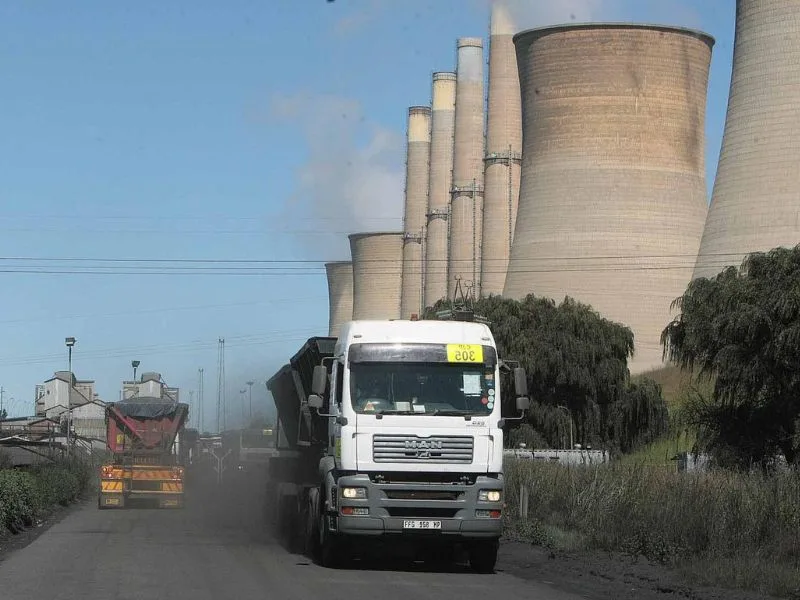
The decision by Eskom management to boost the load on Kusile Power Station Unit 1 to full capacity, despite the advise of its experts, resulted in the tragic collapse of a duct, which has contributed about two phases of load-shedding since late October 2022.
According to an internal study obtained by the Sunday Times from the utility’s assurance and forensics section.
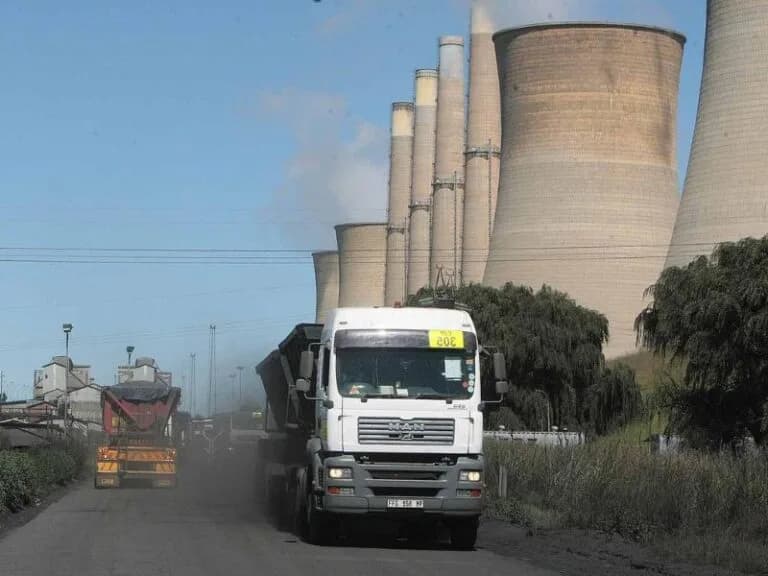
In October 2022, a part of the flue-gas desulphurisation (FGD) duct, which transports emissions from Kusile Unit 1 onto a massive chimney, collapsed.
Units 2 and 3 had to be brought offline for maintenance because they are also linked to the chimney.
As a result, a possible 2,400MW of capacity was lost, the equivalent of more than two stages of load-shedding.
According to the allegation, “unnamed bosses” at Megawatt Park given verbal orders to return the unit to operation and run it at its maximum capacity of 800MW.
Despite the fact that a malfunctioning crucial component was generating a cement-like muck to accumulate within the flue-gas duct.
In November 2022, Rapport published his first report on the reason of the collapse.
According to insiders acquainted with the failure, the problematic components were the baghouse filters designed to gather fly ash from released gases.
They reported that some silica-rich ash was transported to the desulphurisation unit, where hydrated lime was sprayed through the released gases.
This procedure aids in the removal of the dangerous pollutant gas sulphur dioxide (SO2).
The combination of fly ash, lime water spray, and heat formed a hard crust along the walls of the chimney, putting significant pressure on its supporting framework, which could no longer withstand the weight.
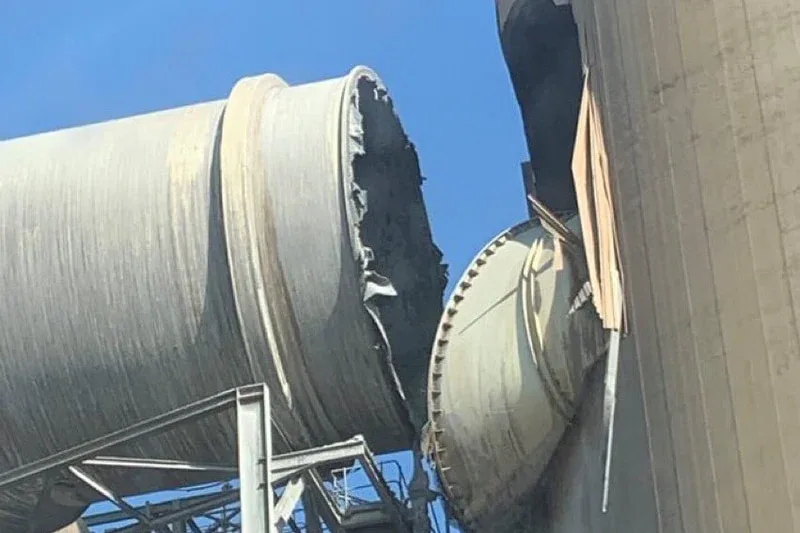
According to the findings of the assurance and forensic team, the unit has been troublesome since 2021, and partial fixes to correct the problem were inadequate.
It determined that the fundamental cause of the collapse was Eskom management’s choice to keep the plant running at above 500MW despite being aware of the sludge build-up.
Because the command was purportedly given verbally and informally, the team was unable to identify the management or supervisors responsible.
“During the investigation, no auditable trail or evidence was provided on the decisions made to continue running the plant with a compromised FGD,” the report stated.
According to the study, the unit had been brought offline multiple times before to the collapse for the same reason.
“During the investigation, no auditable trail or evidence was provided on the decisions made to continue running the plant with a compromised FGD,” the report stated.
The report found that the unit had been taken offline several times before the collapse, for the same reason.
“From all the facts acquired about the plant design and operation, it is clear that the power station technical staff responsible for the plant predicted the failure,” the report said.
“Continuous decisions taken to favour production above plant health led directly to…failure.”
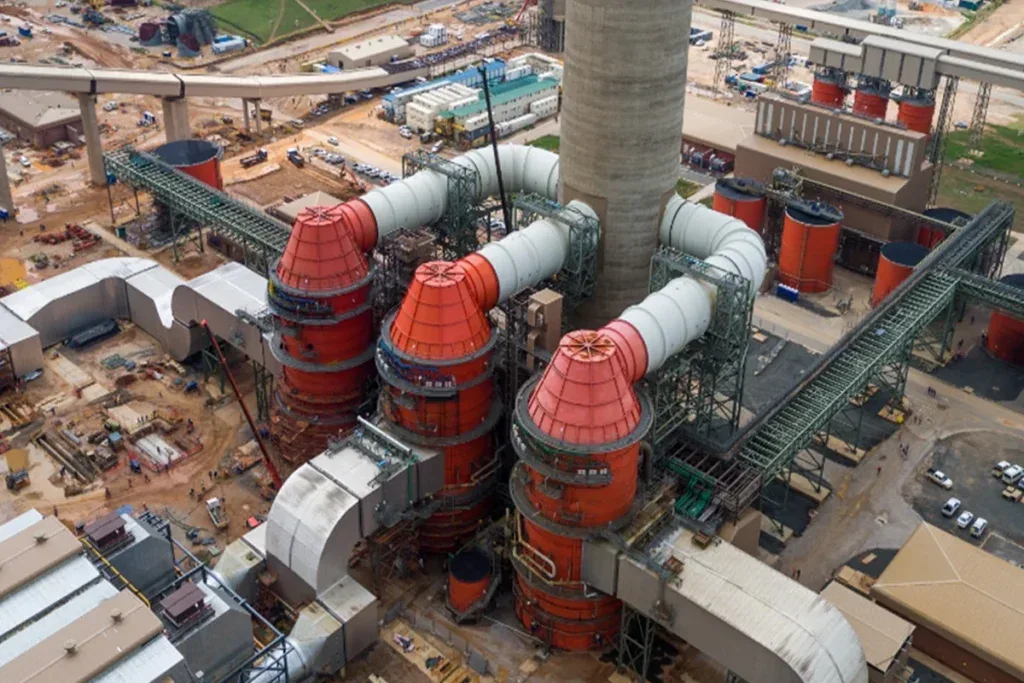
Eskom estimates that the FGD will be repaired by September 2024. Nonetheless, the utility has petitioned the Department of Environmental Affairs to allow it to bypass the FGD system in order to restart the three affected units a year sooner than anticipated.
The plan is to construct temporary buildings to vent the pollutants while the duct is being repaired.
This might assist bridge the gap between Eskom’s supply and generation and reduce load-shedding.
According to Lauri Myllyvirta, the principal analyst at the Centre for Research on Energy and Clean Air (CREA), the temporary bypass will raise SO2 emissions at Kusile by eightfold, to 80,000 tonnes.
The pollution has been related to human health issues such as asthma and heart attacks, and the CREA calculated that Eskom’s emissions caused around 2,000 fatalities in South Africa each year.
Kusile is South Africa’s first power plant to use the costly wet FGD technology, but its development has been delayed for almost a decade owing to procurement corruption and design flaws.
It was supposed to be finished by 2013, but Eskom’s current plan is for it to be finished by 2026.
The initial budget of R80 billion has also grown to more than R226 billion.