
Kenya Moves to Digitise Cargo Clearance at Port of Mombasa
Kenya is introducing new digital and operational measures to speed up cargo clearance at the Port of Mombasa, with the Kenya Revenue Authority (KRA) and Kenya Ports Authority (KPA) rolling out pre-arrival processing and testing automated gate operations.
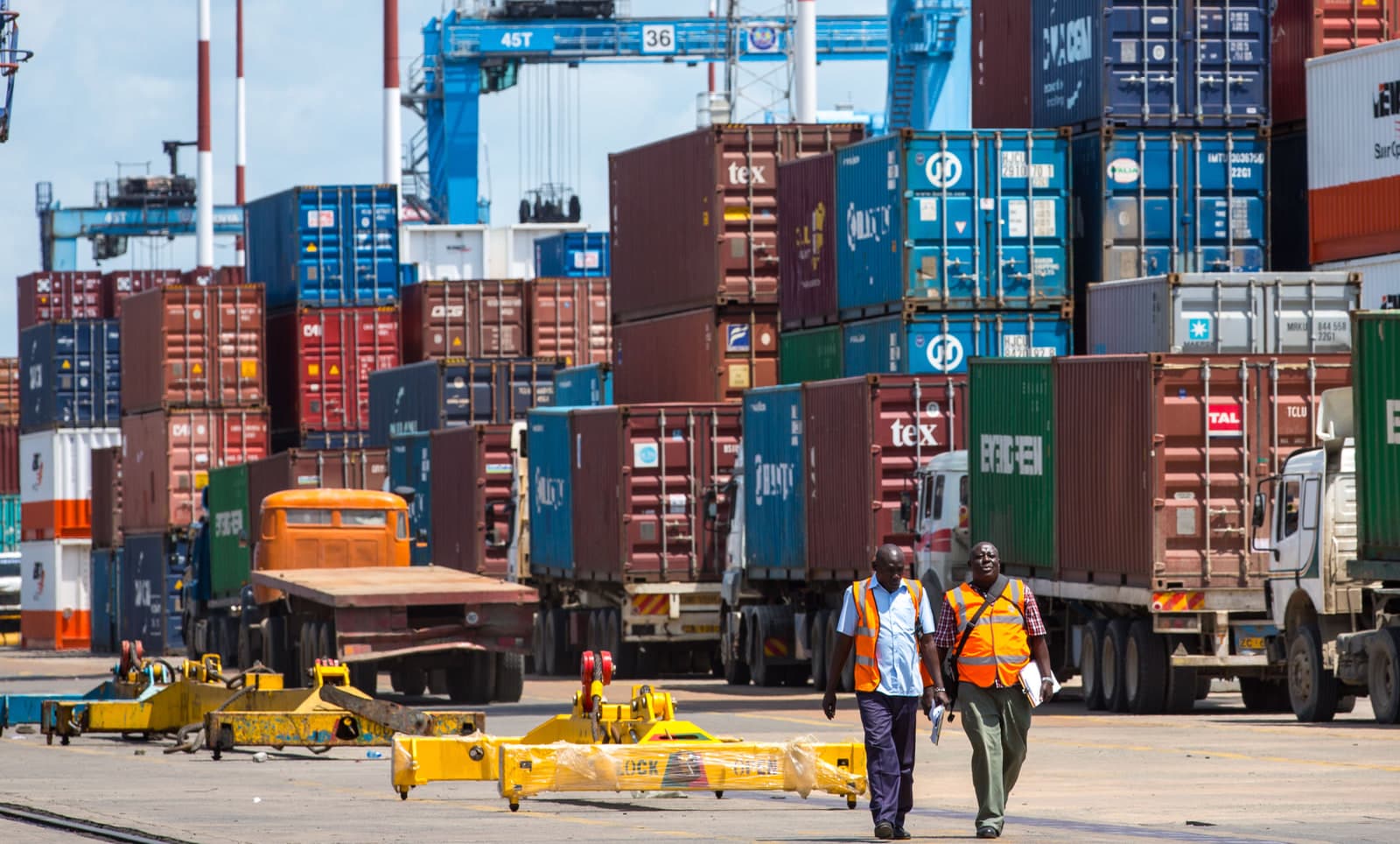
Mombasa Port
Kenya is introducing new digital and operational measures to speed up cargo clearance at the Port of Mombasa, with the Kenya Revenue Authority (KRA) and Kenya Ports Authority (KPA) rolling out pre-arrival processing and testing automated gate operations. The measures were agreed during a meeting between KRA, KPA and private-sector stakeholders on 31 August 2026. They include the Advanced Cargo Declaration (ACD) system, a Smart Gate pilot at Gate 24 and plans to integrate customs and other government agency systems.
The ACD platform allows cargo information to be submitted and processed before goods are loaded at their port of origin. KRA said it had received more than 1,000 applications since the system was introduced on 3 August, ahead of its full implementation.
Moving Customs Processing Ahead of Arrival
The pre-arrival system is intended to allow customs processes to begin before cargo reaches Mombasa. This could reduce the amount of time containers spend waiting for documentation and clearance after arriving at the port.
For importers and exporters, shorter clearance times can reduce costs associated with storage, transport and inventory delays. The changes also bring Kenya's customs processes further into a digital environment, with government agencies working towards greater integration of their systems.
The Smart Gate pilot at Gate 24 will add an automated element to the physical movement of cargo out of the port. The system is intended to improve monitoring at the exit point and reduce manual processes.
KRA and KPA have also agreed to harmonise staff shifts to support continuous gate operations.
Regional Trade Implications
The Port of Mombasa handles about 2.1 million twenty-foot equivalent units (TEUs) and serves markets beyond Kenya.
The port is a key gateway along the Northern Corridor, carrying cargo destined for landlocked economies including Uganda, Rwanda, Burundi, the Democratic Republic of Congo and South Sudan.
Changes to clearance procedures at Mombasa can therefore affect businesses and transport operators across the wider region. Delays at the port can add to logistics and inventory costs for companies waiting for goods to move into inland markets.
KRA said around 40% of containers handled at the port are empty, while customs revenue is collected from approximately 25% of the total containers handled. The figures point to the different types of cargo and processes that agencies need to manage as they seek to improve the movement of goods through the facility.
Expanding Port Capacity
The digital reforms are being introduced alongside investment in additional port infrastructure.
KPA is constructing Berth 19B and a container yard at Berth 23 to increase handling capacity. Container Freight Stations are also expected to play a greater role in handling domestic cargo outside the port, freeing up space within the main facility.
The combination of pre-arrival processing, automated gate operations and additional capacity is intended to address different points in the cargo movement process.
The immediate test for the reforms will be whether the systems can reduce processing times and manual interventions as cargo moves through Mombasa. With the port serving both the Kenyan market and a wider regional hinterland, improvements in clearance efficiency could have a direct effect on the cost and reliability of regional supply chains.