It's bad news for South African middle class
According to Nedbank analysts, interest rates in South Africa are reaching their peak, but they are not there yet – and the risks are very much on the upside, opening the door for even more rises than projected this year. This implies that middle-class South Africans, who are already severely indebted due to home loans,
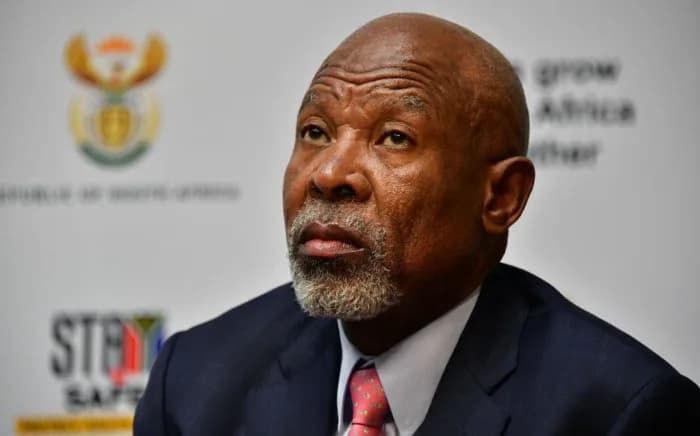
It's bad news for South African middle class
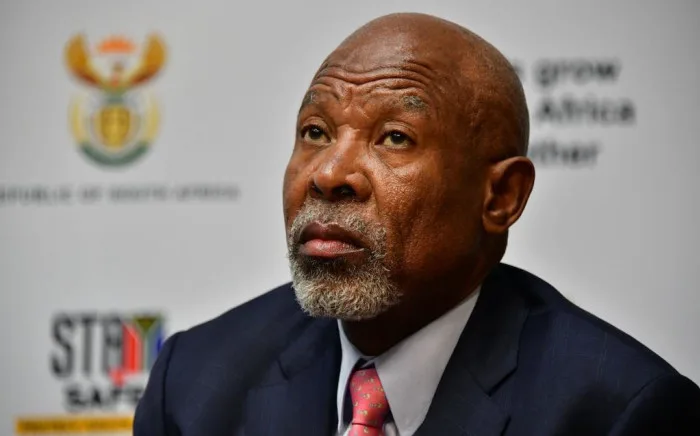
According to Nedbank analysts, interest rates in South Africa are reaching their peak, but they are not there yet – and the risks are very much on the upside, opening the door for even more rises than projected this year.
This implies that middle-class South Africans, who are already severely indebted due to home loans, car loans, and credit, would have to pay even more to service their obligations in the first half of the year.
The South African Reserve Bank’s (SARB) Monetary Policy Committee (MPC) will convene next week for the first time this year to discuss the next move in South African interest rates. The MPC will issue its verdict on Thursday, January 26.
Following rising inflation locally and rise in interest rates cycles in other nations, economists and experts agree that there is still potential for rate hikes in South Africa – but they disagree on the amount and speed.
The economic unit at Nedbank predicts a raise of at least 50 basis points (bps) in the first quarter of the year, with the prime lending rate expected to peak at 11%.
“Given the evidence of fading global inflationary pressures, the downturn in domestic inflation, weaker domestic growth prospects, and the US Fed’s decision to take a less aggressive monetary policy stance, we believe that interest rates are near the peak in this cycle,” it said.
According to Investec chief economist Annabel Bishop, next week’s rate hike will be more aggressive, with a 50 basis point increase out the door.
Dr Francois Stofberg, managing director for private clients at Efficient Wealth, stated that interest rates in the country will most likely rise by 50bps to 75bps in 2023, but may potentially begin to fall by the end of the year.
Unlike Stofberg, Nedbank believes there is little opportunity for interest rates to fall in 2023, citing the fact that many of the factors that would be considered in such a decision, most notably inflation, are working against it.
“We do not expect any rate cuts later this year due to the upside risks to the inflation outlook. If inflation proves stickier than we expect, the MPC could raise interest rates to a higher peak,” the group said.
Consumer price inflation fell to 7.2% in December 2022, according to Stats SA data released on Wednesday (18 January), in line with market predictions.
While inflation remains high – much beyond the SARB’s target range of 3% to 6% – it is at its lowest point in nine months and is anticipated to fall further.
“We forecast inflation to ease further off a high base throughout 2023, averaging around 5.5% for the year. In addition to base effects, downward pressure will come mainly from transport and food prices,” Nedbank said.
“We expect further cuts in petrol and diesel prices as global oil prices recede, pulled down by subdued global demand. Prices of most food items will also trend lower, reflecting the lagged effect of falling global prices and improved supply chains, while a better summer harvest will contain local prices.”
The risks to the inflation outlook, however, remain on the upside, owing mostly to the global oil price, the fragile rand, and administered prices, notably electricity tariffs, according to the bank.
“Global oil prices could rise from the current lower levels as the OPEC+ cartel decided to continue cutting oil production by 2 million barrels per day until the end of 2023 to support the oil price, which is under pressure from slowing global demand.
“Meanwhile, the National Energy Regulator of South Africa granted Eskom permission to increase electricity prices by 18.7% this year. While this was lower than the 32% hike the power utility wanted, it will still be a significant contributor to inflation. These factors could cause inflation to remain high for longer or recede at a much slower rate,” Nedbank said.
The underlying message from market observers around the Nersa-approved rise is that the power price hike would likely raise expenses for individuals and companies in the nation, leading to inflationary pressure in an already high-priced environment.
The Bureau of Economic Research (BER) cautioned this week that if inflation expectations rise, the Reserve Bank would be obliged to raise interest rates even more.
“Rising inflation expectations may, for example, lead to higher wage demands as workers feel they need to be compensated for the expected rise,” the BER said. “If demand is robust enough, some businesses may adjust their prices increases further upwards.”
The SARB may be compelled to raise interest rates to prevent stronger expectations from becoming a reality, according to the BER.