Government Empowerment Plans Under Scrutiny: Pick n Pay's Chairman Raises Concerns Amidst Challenging Times
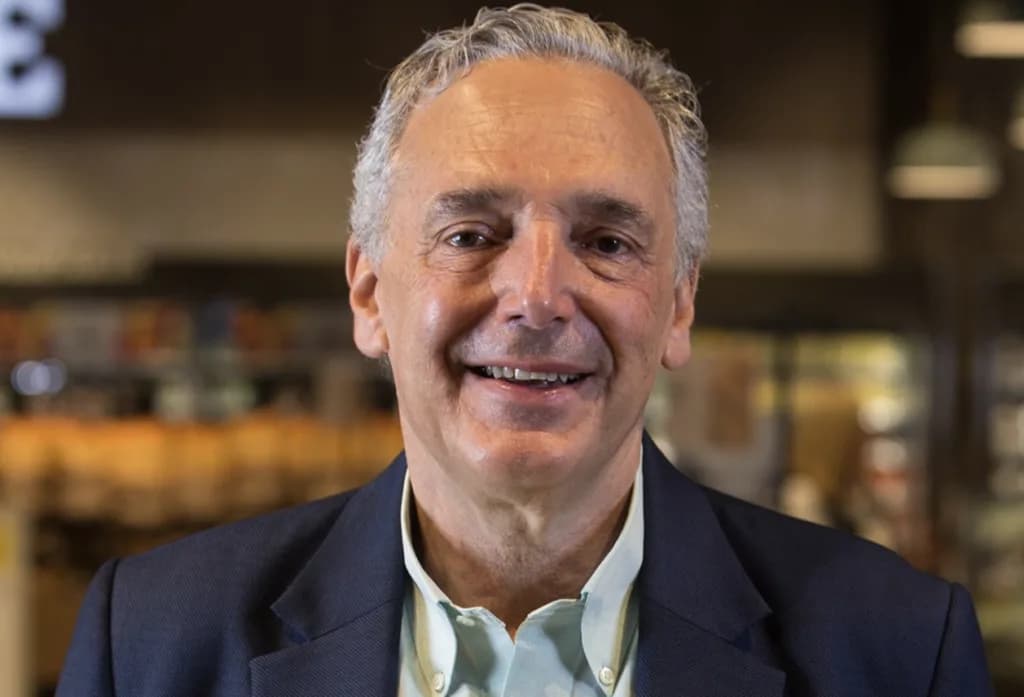
Pick n Pay, a major grocery and clothing retailer, has faced significant headwinds, incurring over R600 million in unexpected costs during the first half of fiscal year 2024. In light of this, the company's Chairman, Gareth Ackerman, expressed reservations about the government's proposed revisions to empowerment policies and legislation, arguing that these expectations place undue
Government Empowerment Plans Under Scrutiny: Pick n Pay's Chairman Raises Concerns Amidst Challenging Times
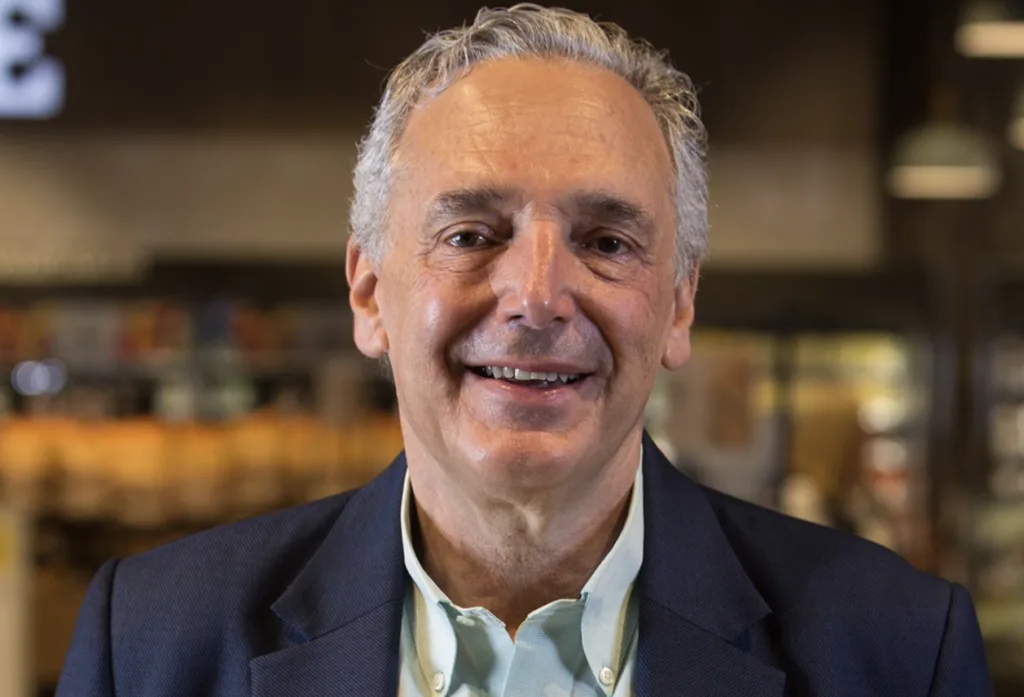
Pick n Pay, a major grocery and clothing retailer, has faced significant headwinds, incurring over R600 million in unexpected costs during the first half of fiscal year 2024. In light of this, the company’s Chairman, Gareth Ackerman, expressed reservations about the government’s proposed revisions to empowerment policies and legislation, arguing that these expectations place undue burdens on the private sector.
Ackerman recently criticised the government’s plans to amend the Employment Equity Act and water use licence regulations in his annual general meeting speech. He emphasised that Pick n Pay had already invested more than R50 billion in “BEE businesses” in the previous year, ahead of its competitors. Ackerman emphasised that increased empowerment expectations could have negative consequences, such as the exodus of skilled professionals, the devaluation of the country’s farms, and a threat to food security.
Ackerman argued that the proposed changes to employment policies are unconstitutional and could jeopardise firm productivity and foreign investment, both of which are critical to the country’s economic health. He emphasised that these changes could result in qualified individuals losing their jobs to less-qualified candidates, despite the growing recognition that diverse workforces and leadership are strategic assets for companies adhering to ESG (environmental, social, and governance) principles.
The announcement in June by the Department of Water and Sanitation to revise regulations on water use licences sparked outrage in the agriculture and food industries. Because the majority of issued licences (approximately 75.93%) are held by historically advantaged individuals (HAI), the proposed changes aim to promote equitable water allocation. The intervention of the department introduces new thresholds for water abstraction volumes concerning black ownership for new water use licence applications.
Ackerman, on the other hand, expressed concern that these interventions could jeopardise food security and put additional strain on consumers. He contended that few potential black shareholders have the necessary capital to meet the required equity in farms, potentially leading to the closure of many farms and undermining the value of those that remain. A banking crisis could also result from such a scenario. Ackerman questioned the government’s decision to propose policies that could result in the closure of productive farms and businesses, exacerbating food shortages and inflation in an environment of high unemployment.
Pick n Pay announced a bleak trading outlook in the face of these challenges. Profits for the first half of the fiscal year 2024 are expected to fall by more than 20% due to spiralling abnormal costs. Rolling blackouts forced the company to increase spending on diesel costs for generators, as well as additional costs in supply chain duplication and restructuring, resulting in these unforeseen expenses.
Following the announcement of projected profit losses, the retailer’s share price fell by more than 7% during afternoon trading, reaching a six-month low of R35.31.
Finally, Gareth Ackerman’s concerns reflect Pick n Pay’s and the private sector’s overall challenges. While the government’s proposed empowerment plans aim to address historical inequalities, legitimate concerns have been raised about potential negative consequences. As the company navigates the uncertain economic climate, policymakers must consider the broader implications of these policies and work with the private sector to achieve balanced and sustainable empowerment initiatives.