Glencore refinery Investment Deadline in Jeopardy Following Tragic Explosion
Glencore, a significant player in commodities trading, finds itself at risk of failing to meet the investment deadline for a Cape Town refinery in South Africa due to an unfortunate explosion that forced the plant to cease operations for several years. The company had committed to investing R6 billion in the refinery when it acquired
Glencore-refinery-Investment-Deadline-in-Jeopardy-Following-Tragic-Explosion
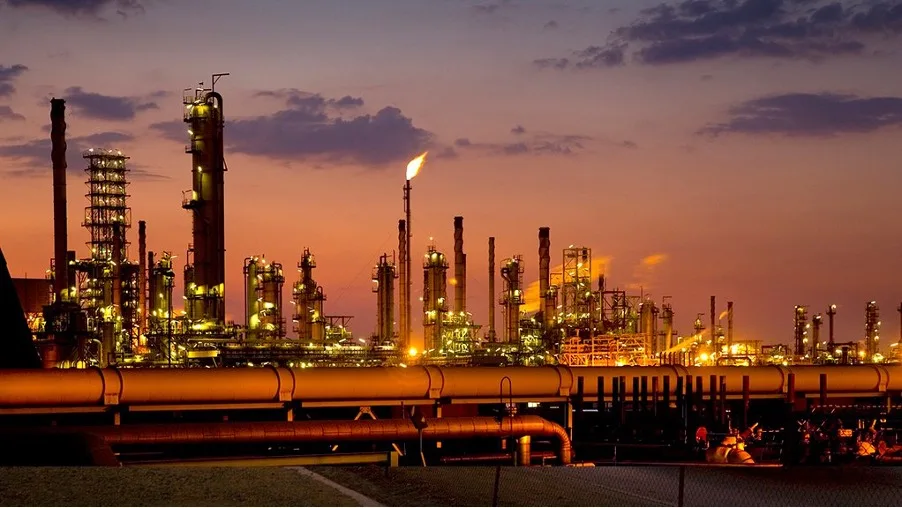
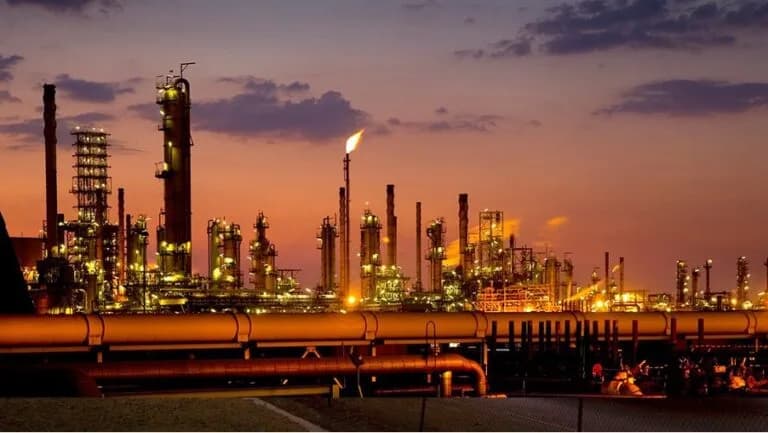
Glencore, a significant player in commodities trading, finds itself at risk of failing to meet the investment deadline for a Cape Town refinery in South Africa due to an unfortunate explosion that forced the plant to cease operations for several years. The company had committed to investing R6 billion in the refinery when it acquired it, but this commitment might not be fulfilled within the stipulated five-year period, which concludes at the end of the current month. South Africa and Glencore are currently engaged in negotiations regarding this investment, with the South African government expressing optimism about reaching an agreement.
The Department of Trade, Industry, and Competition confirmed ongoing negotiations with Glencore, without specifying a definite timeline. They emphasized their confidence that the committed funds would be appropriately utilized once an agreement is reached and signed. South Africa has grappled with ailing refinery infrastructure due to underinvestment, resulting in a significant loss of oil-processing capacity. This loss is attributed to plant closures driven by both the impending need for cleaner fuel specifications and various natural disasters like fires and floods.
Glencore, in partnership with local entity Astron Energy, affirmed their dedication to investing R6 billion for refinery upgrades. Their objective is to bolster the refining industry in South Africa and ensure its continuity. However, the exact amount Glencore has invested thus far remains undisclosed. The company stated that investments have been made in the facility, with production levels aligning with their commitments. They maintain regular communication with the government to update them on the progress made.
Glencore acquired the refinery with a production capacity of 100,000 barrels per day from Chevron Corp. five years ago, triumphing over a bid from China Petroleum & Chemical Corp. Through a majority stake in Astron, Glencore has ownership over the asset. The refinery resumed operations earlier this year for the first time since its closure in 2020 due to a fatal explosion during annual maintenance, resulting in the loss of two engineers’ lives. It stands as the sole South African facility producing very low sulfur fuel oil, meeting stringent international shipping fuel standards according to Glencore.
The merger agreement stipulated a R6 billion investment “over and above Astron’s current investment plans” within five years from September 27, 2018, as well as increasing the refinery’s production from 75% to 90% of its nameplate capacity.
In 2015, Chevron estimated a potential expenditure of up to $1 billion for refinery upgrades to comply with the necessary regulations for the facility constructed in 1966. The current negotiations and commitments underscore the critical importance of timely and substantial investment to fortify South Africa’s refining capabilities amidst evolving industry standards and challenges.