Ghana’s EV Growth Brings New Pressure to the Power Grid
#RTOTY18 I love electric cars but hate the UK's charging network
Ghana’s growing electric vehicle market is creating a new challenge for the country’s electricity system. While EVs offer households and businesses an opportunity to reduce fuel costs, the infrastructure needed to support them is adding to demand from mining, industry, data centres and other major electricity users.
The issue was raised by Ghana’s Minister of Energy and Green Transition, John Abdulai Jinapor, during the Future of Energy 2026 conference in Accra on August 25. Jinapor said the expansion of electric mobility must be managed alongside the country’s need to maintain reliable electricity supply for industrial and economic development.
Electric vehicle adoption has increased sharply in recent years. Data from the Driver and Vehicle Licensing Authority shows that Ghana had registered more than 1,200 EVs by October 2025, compared with fewer than 200 in 2022. The number of electrified vehicles, including hybrids, had surpassed 20,000.
Lower operating costs are helping drive interest in electric mobility. Jinapor said government research suggests that EV users could reduce fuel expenses by around 40%, making the technology increasingly attractive to consumers and businesses.
Fast Chargers Put Local Infrastructure Under Strain
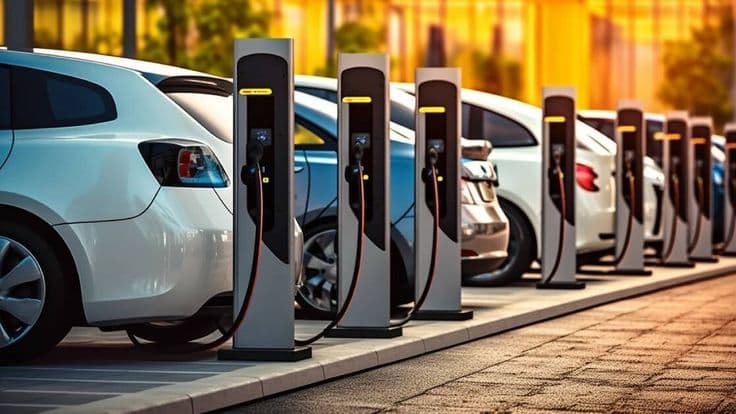
The expansion of EVs will also require a larger charging network, and fast-charging infrastructure is emerging as one of the main concerns for grid operators.
Some private companies are installing charging stations capable of charging vehicles within five to 10 minutes. These systems require large amounts of electricity over a short period and can place significant pressure on local distribution infrastructure.
Jinapor said some transformers have tripped immediately after charging stations were connected to the network. The concern is particularly relevant where several high-capacity chargers are concentrated within the same area, creating electricity demand that existing transformers may not have been designed to support.
Rising Demand Adds to the Challenge
EV charging is entering Ghana’s electricity system at a time when overall demand is already increasing. The Energy Commission projects peak demand of 4,581 MW by December 2026, up from 4,283 MW in 2025.
Reliable generation capacity is expected to reach 5,455 MW, but scheduled maintenance and outages will continue to affect available reserves. The Commission expects Ghana’s reserve margin to remain below the recommended 18% level for 11 months of 2026.
Electricity consumption is also projected to rise by 7.3% to 28,992 GWh during the year. The growth of electric mobility therefore adds another source of demand to a system already supporting expanding industrial activity and energy-intensive sectors.
Ghana Plans Greater Control Over Charging Stations
The government is seeking to introduce tighter oversight of new EV charging infrastructure through legislation currently before Parliament.
Under the proposed framework, operators would need approval from the Energy Commission before installing charging stations. The process would allow authorities to assess whether local electricity infrastructure has sufficient capacity to support the additional load.
It would also give the government an opportunity to plan upgrades before new high-capacity charging facilities are connected, including the installation of additional transformers where necessary.