Former Steinhoff CEO Markus Jooste Loses Appeal Against German Arrest Warrant
Markus Jooste, the former CEO of Steinhoff, has lost his appeal against a German arrest warrant issued after he failed to appear in court in the country. The Higher Regional Court of Oldenburg dismissed Jooste's challenge, and prosecutors had requested the arrest warrant after he failed to appear at his April trial. Bernd Gross, Jooste's
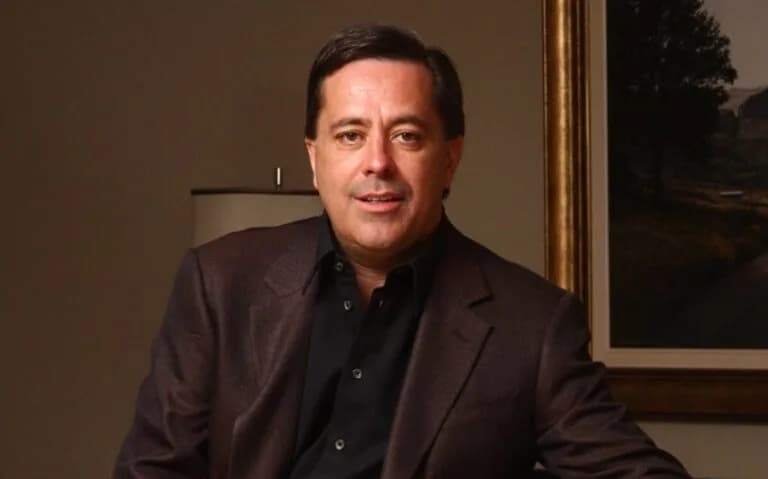
Former-Steinhoff-CEO-Markus-Jooste-Loses-Appeal-Against-German-Arrest-Warrant
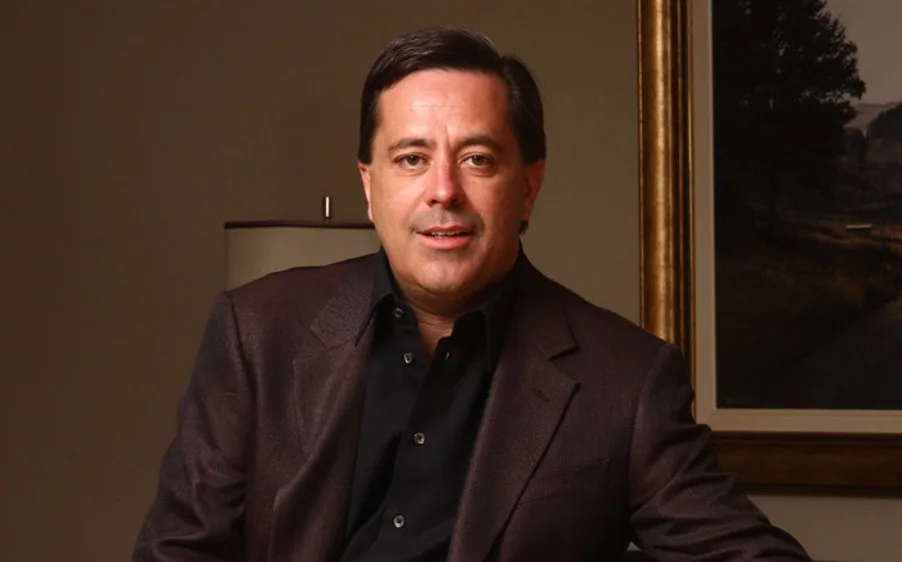
Markus Jooste, the former CEO of Steinhoff, has lost his appeal against a German arrest warrant issued after he failed to appear in court in the country. The Higher Regional Court of Oldenburg dismissed Jooste’s challenge, and prosecutors had requested the arrest warrant after he failed to appear at his April trial.
Bernd Gross, Jooste’s German lawyer, did not respond to requests for comment. Gross informed the court in April that Jooste would be unable to travel due to a passport restriction imposed by South African authorities. Jooste is currently facing more serious investigations and allegations in South Africa than in Germany.
Steinhoff, the scandal-plagued retailer, has been struggling for more than five years to stay afloat after auditors refused to sign off on its accounts. This resulted in Jooste’s resignation and a severe drop in share prices. Following that, criminal and regulatory investigations were launched in both Europe and South Africa.
Following the dismissal of the appeal, German authorities in Oldenburg may now pursue Jooste’s extradition from South Africa or seek Interpol’s assistance in handling the case. The situation complicates the already complicated legal proceedings surrounding the Steinhoff scandal.
The absence of Jooste from the German trial has raised questions about accountability for the alleged financial misbehaviour that contributed to Steinhoff’s demise. Financial irregularities at the company shook investor confidence and resulted in significant losses for shareholders.
While Jooste’s lawyer claims that his inability to travel is due to ongoing investigations in South Africa, authorities in Germany are eager to hold him accountable for any potential wrongdoing related to Steinhoff’s operations in the country. The precise nature and extent of Jooste’s involvement in the scandal are still being investigated in multiple jurisdictions.
As the complexities of cross-border investigations and extradition proceedings unfold, the legal battle between Jooste, Steinhoff, and the authorities in Germany and South Africa is likely to continue. Shareholders and stakeholders are watching the developments with bated breath, hoping for a resolution that brings clarity and justice to those affected by the company’s demise.
As the case progresses, all parties involved must work together fully and transparently to ensure a fair and just outcome. The Steinhoff saga is a stark reminder of the importance of ethical corporate governance and the consequences of financial misbehaviour at the highest levels of business leadership. Only through a thorough and unbiased legal process can accountability be established and restitution sought for those affected by the corporate scandal.