Kenya is building a battery swapping network for electric motorcycles
For someone who makes a living from a motorcycle, keeping the bike running matters. A delivery rider cannot afford to spend hours waiting for a battery to charge. The same applies to motorcycle taxi drivers who need to keep moving to earn money. That is why SUN Mobility and Vivo Energy have started rolling out
Kenya is building a battery swapping network for electric motorcycles
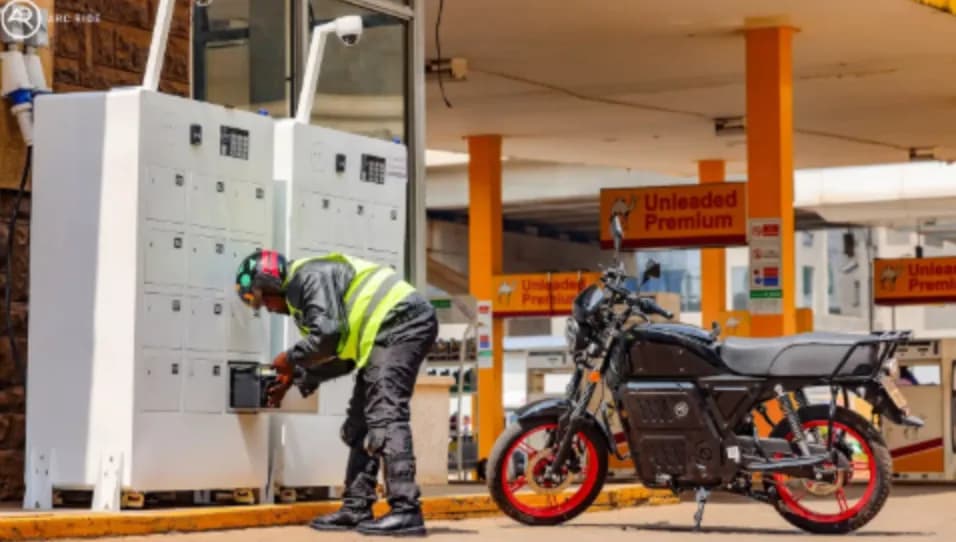
For someone who makes a living from a motorcycle, keeping the bike running matters. A delivery rider cannot afford to spend hours waiting for a battery to charge. The same applies to motorcycle taxi drivers who need to keep moving to earn money. That is why SUN Mobility and Vivo Energy have started rolling out battery swapping in Kenya. The companies now have 35 battery swapping stations in Nairobi and Mombasa. Instead of waiting for an electric motorcycle to charge, a rider can remove the depleted battery and replace it with a charged one. SUN Mobility says the process takes about two minutes.
The aim is to keep riders on the road
Electric motorcycles can cost less to run than petrol bikes, but charging can still be difficult for people who use their motorcycles throughout the day. A rider can cover 100 kilometres or more in a day. If the motorcycle sits for several hours while the battery charges, the rider loses time that could have gone towards making money. Battery swapping removes much of that waiting time. SUN Mobility says riders who travel 100 kilometres a day could save about 20% compared with petrol. It says riders covering 150 kilometres could save up to 35%. Those figures come from SUN Mobility. The actual saving will depend on the motorcycle, how far the rider travels and what they pay to swap batteries.
SUN Mobility has not built the Kenyan network around one motorcycle manufacturer. More than 10 manufacturers are taking part, including Afrina Neopower, BGauss, Fika Mobility, Motovolt, Piaggio, VMOTO and Wylex. This means manufacturers can use the same battery-swapping network instead of building separate infrastructure for their vehicles. It could also give riders more choice when they buy an electric motorcycle. But that only works if enough compatible motorcycles reach the roads.
Vivo Energy is bringing its existing locations into the network
Vivo Energy already operates a large network of service stations across Africa. The company operates more than 4,200 Shell and Engen-branded stations across 29 countries. In Kenya, 20 of the first 35 battery swapping stations operate from Shell branded sites run by Vivo Energy. That gives riders places they already know. It also means the companies can use existing locations instead of finding and developing every swapping site themselves.
SUN Mobility wants to take the model beyond Kenya. The company says it plans to deploy 160,000 electric vehicles and 2,500 battery swapping stations across Africa over the next five years. It has already run a similar network in India, where it says riders have completed more than 70 million battery swaps. Kenya will show the company whether the same approach works in an African market.
Motorcycles could make the switch easier
Cars usually get most of the attention when people talk about electric vehicles. But motorcycles and three-wheelers may offer a more practical starting point in some African markets. They are smaller, need smaller batteries and already play a big role in deliveries and passenger transport. A rider who spends the whole day on the road also feels fuel costs directly. If the rider can swap a battery in a few minutes, they can get back to work instead of waiting for the motorcycle to charge.
The network still has to prove itself
The first 35 stations give SUN Mobility a starting point, but the company needs many more riders to use them. Riders also need to see enough savings to make the switch from petrol worthwhile. A cheaper electric motorcycle will not help much if battery swapping costs too much. The companies also need to expand beyond Nairobi and Mombasa if they want electric motorcycles to become more common across Kenya. For now, SUN Mobility and Vivo Energy have put the first stations in place. The next question is whether riders keep using them. If battery swapping saves riders enough time and money, the companies have a reason to keep expanding. If it does not, reaching 2,500 stations across Africa will be much harder.