
Fibre Network Fault Causes Flight Delays and Diversions at Cape Town Airport
Flight delays and diversions were reported at Cape Town International Airport on Tuesday morning, April 18th, due to a fibre network fault affecting the airport's landing system. The technical problem prevented planes from landing and forced some to be diverted. The flaw affected the instrument landing technology, which pilots use to navigate the descent of

Fibre Network Fault Causes Flight Delays and Diversions at Cape Town Airport
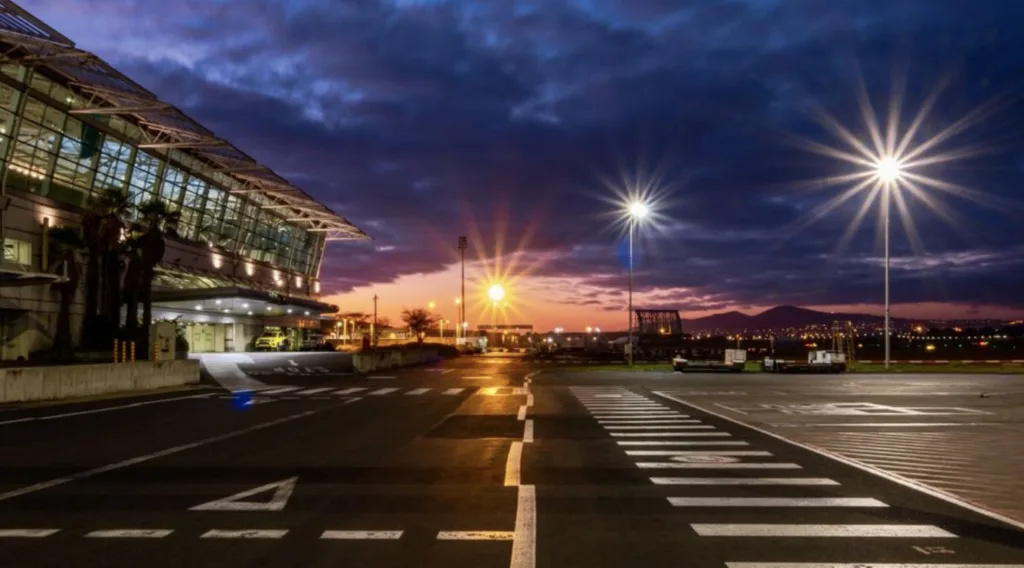
Flight delays and diversions were reported at Cape Town International Airport on Tuesday morning, April 18th, due to a fibre network fault affecting the airport’s landing system. The technical problem prevented planes from landing and forced some to be diverted. The flaw affected the instrument landing technology, which pilots use to navigate the descent of aircraft to the runway. The dense fog surrounding the airport exacerbated the situation, and visibility deteriorated, making it impossible for planes to land.
Airports Company South Africa (ACSA) confirmed the fault and announced that the airport’s instrument landing category status had been temporarily downgraded. The system is being repaired, and once the fog clears, the aircraft will be able to land. ACSA also apologised to travellers and advised them to contact their airlines and check ACSA’s mobile app for updates.
Flight delays impacted other airports across the country, and scheduled flights were impacted. Due to the fog in Cape Town, airlines such as CemAir and Airlink experienced delays, and a few LIFT flights into the airport were hampered. Some international flights were also impacted. Airlines have also incurred significant additional costs as a result of the delays, as they have been forced to return to other airports.
ACSA confirmed that the delays were caused by a fault in the fibre network, and that their technicians were working to restore the system. The instrument landing system at the airport is critical in guiding aircraft to land safely in normal or severe weather conditions. ACSA has since fixed the problem, and flights have resumed before 10 a.m.
The incident emphasises the importance of investing in strong and dependable infrastructure. Passengers and airlines experienced significant inconvenience as a result of the fibre network failure, which resulted in additional costs. The speed with which ACSA restored the system and kept travellers informed is commendable.
Finally, the fibre network failure that caused flight delays and diversions on April 18th at Cape Town International Airport emphasises the importance of resilient infrastructure. Other airports were impacted, and airlines incurred additional costs as a result of the incident. ACSA’s quick response in restoring the system and keeping travellers informed is commendable. It is recommended that passengers keep in touch with their airlines for updates on any changes to flight schedules.