Eskom intends to lay off 500 white maintenance employees
According to Solidarity, Eskom plans to lay off 500 white male employees, the majority of whom work in maintenance, over the next two years. The union indicated that this is part of the utility's most recent Employment Equity (EE) Plan for 2023 to 2025. To assist alleviate the electricity crisis, the organization's legal team has
Eskom intends to lay off 500 white maintenance employees
According to Solidarity, Eskom plans to lay off 500 white male employees, the majority of whom work in maintenance, over the next two years.
The union indicated that this is part of the utility’s most recent Employment Equity (EE) Plan for 2023 to 2025.
To assist alleviate the electricity crisis, the organization’s legal team has submitted a legal letter to Eskom requesting a freeze on race-based appointments at the company.
According to Solidarity, there is an urgent need in South Africa for the deployment of the greatest talents in professions regardless of race.
It said that both black and white craftsmen were present at Eskom and in the sector.
“Those are the people Eskom should recruit, based on their ability to help solve the power crisis, without looking at the colour of their skin,” the organisation stated.
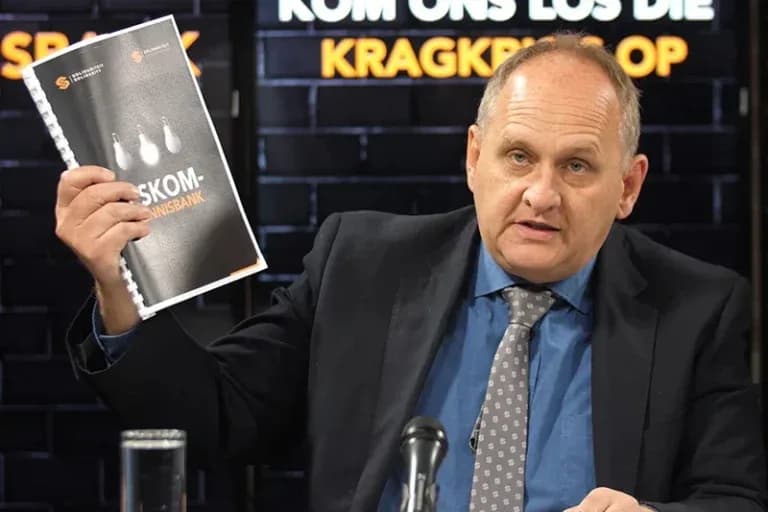
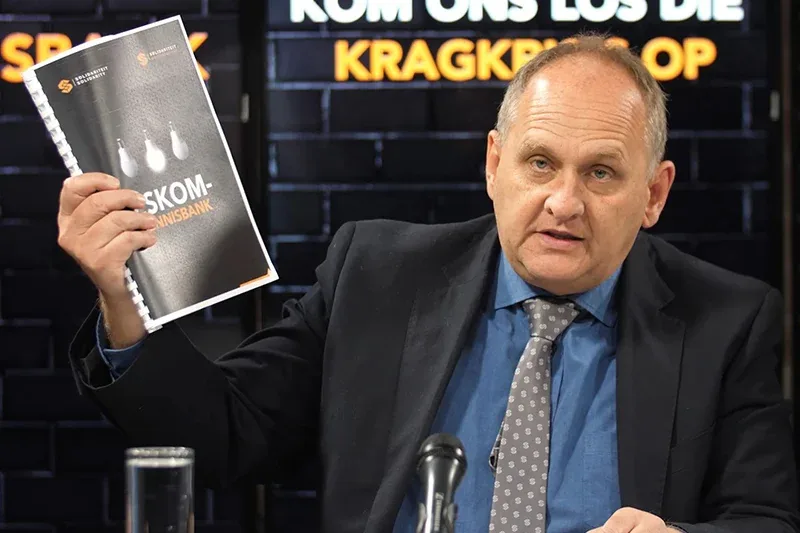
The EE plan, according to Solidarity CEO Dirk Hermann, did not explain how Eskom will solve its skills difficulties, but was all about skin colour at various employment levels.
“These absurd race targets come amid the fact that power station maintenance is one of Eskom’s major challenges,” said Hermann.
“Eskom should now focus on one thing only, and that is not race, but power. South Africans do not need race targets but light in their homes and power for their businesses.”
Hermann stated that race-based objectives discouraged current Eskom employees and claimed that qualified white people could not apply for positions at the company to help address the situation.
“Also, it makes it nearly impossible to appoint some of the hundreds of experts who have offered their services to assist Eskom because they have the wrong skin colour,” Hermann said.
Hermann was referring to the hundreds of specialists who have volunteered to aid Eskom with skills and knowledge as part of a skills crowdsourcing exercise.
Solidarity, for its part, provided Eskom and the Department of Public Enterprises with a list of 300 such engineers and technicians some months ago.
The list is not restricted by race and includes a large number of persons who quit the utility as a result of its strong black economic empowerment (BEE) efforts.
Eskom and the government earlier said that serious skill shortages, notably in power plant management and maintenance, had played a substantial role in load-shedding.
Eskom said in November 2022 that it has already identified 153 persons who had submitted their information to its database as potentially active, skilled, and willing applicants.
Rate hikes would not be necessary without BEE
According to Solidarity, and Eskom’s recently announced 19% tariff rise would not have been necessary if the company did not have to fulfil all of the racial standards involved in procurement.
Eskom, according to the organisation, has a long history of harsh race-based employment policies.
“Between 1994 and 2002, at least 10,207 white persons left Eskom,” Solidarity said. “From about 2000, Eskom has paid R1.8 billion in terms of current rand value for packages to get rid of white people.”
“This rapid loss of skills led to a huge loss of expertise and institutional knowledge.”
Eskom, according to Hermann, has seemingly learned nothing from this experience. “Even in the dark, it is still pursuing its race programme,” he said.
Solidarity stated in its letter that it reserves the right to go to court if Eskom continues to enforce its race-based hiring objectives.
The organisation is also preparing a judicial action to exclude Eskom from BEE rules.