Energean Eyes $1 Billion BP Gas Asset Deal in Egypt
Energean is in exclusive talks to acquire part of BP’s Egyptian gas portfolio in a transaction valued at about $1 billion, according to a Reuters report published on August 27.

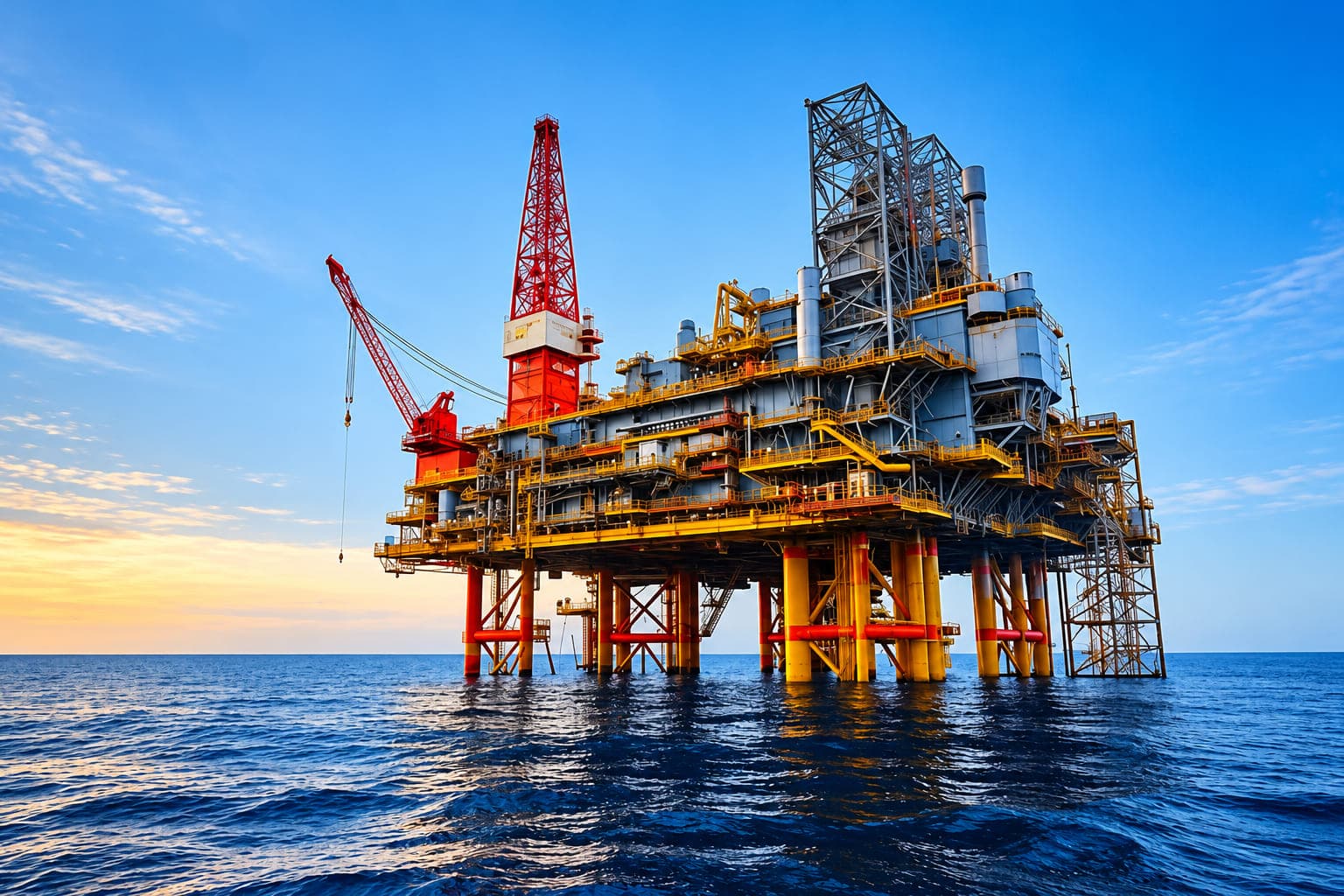
Offshore Oil Rig
Energean is in exclusive talks to acquire part of BP’s Egyptian gas portfolio in a transaction valued at about $1 billion, according to a Reuters report published on August 27.
The proposed deal would give the London-listed energy group interests in producing gas fields in Egypt’s West Nile Delta, as well as BP’s 50% stake in the Temsah concession. The acquisition could also give Energean exposure to the recently discovered Denise West gas field. The transaction has not been finalised, and neither BP nor Energean commented on the reported talks.
The Denise West Discovery
The Temsah concession is a key part of the potential transaction. BP jointly owns the concession with Italy's Eni, which announced the Denise West discovery earlier this year. The discovery is estimated to contain around 2 trillion cubic feet of gas in place and 130 million barrels of associated condensate. Its location less than 10 kilometres from existing infrastructure could reduce development costs and speed up commercial development.
Eni, BP and the Egyptian government are working towards a final investment decision in the coming months. If the transaction proceeds, Energean would enter the concession as the Denise West discovery moves closer to development.
Energean’s Expansion in Egypt
The potential acquisition would expand Energean's existing operations in Egypt, where the company already produces around 27,000 barrels of oil equivalent per day. Energean has been reviewing opportunities across Africa as it looks to reshape its regional portfolio. Earlier this year, reports indicated that the company was assessing gas assets in Angola, Mauritania and Senegal following its withdrawal from Morocco's Anchois gas project.
Reducing Dependence on Karish
The proposed acquisition would also help Energean reduce its dependence on the Karish gas field in Israel, which remains its largest producing asset. In the first quarter of 2026, Israeli authorities ordered a 41-day shutdown of the Karish field amid the conflict with Iran. The disruption contributed to a 29% decline in Energean's quarterly revenue to $288 million. Reducing its exposure to a single major producing asset has since become an important strategic priority for the company.
BP’s Asset Sale Programme
For BP, the potential transaction would form part of a broader effort to reduce debt through asset sales. The company is targeting net debt of between $14 billion and $18 billion and has outlined plans for between $8 billion and $9 billion in divestments during 2026. BP would retain its interest in Egypt's giant Zohr gas field and several exploration assets through Arcius Energy, its joint venture with XRG, the investment arm of Abu Dhabi National Oil Company. The proposed sale would therefore focus primarily on BP's producing interests in the West Nile Delta and Temsah concession while allowing the company to maintain exposure to some of Egypt's larger gas opportunities.
Approval Still Required
Any transaction would require approval from Egyptian authorities, including the Egyptian General Petroleum Corporation and the Egyptian Natural Gas Holding Company.
The proposed transaction still requires approval from the Egyptian government, whose position on the deal has not yet been made public. If approved, the acquisition would strengthen Energean’s position in Egypt’s offshore gas sector while giving BP additional proceeds to support its debt-reduction programme.