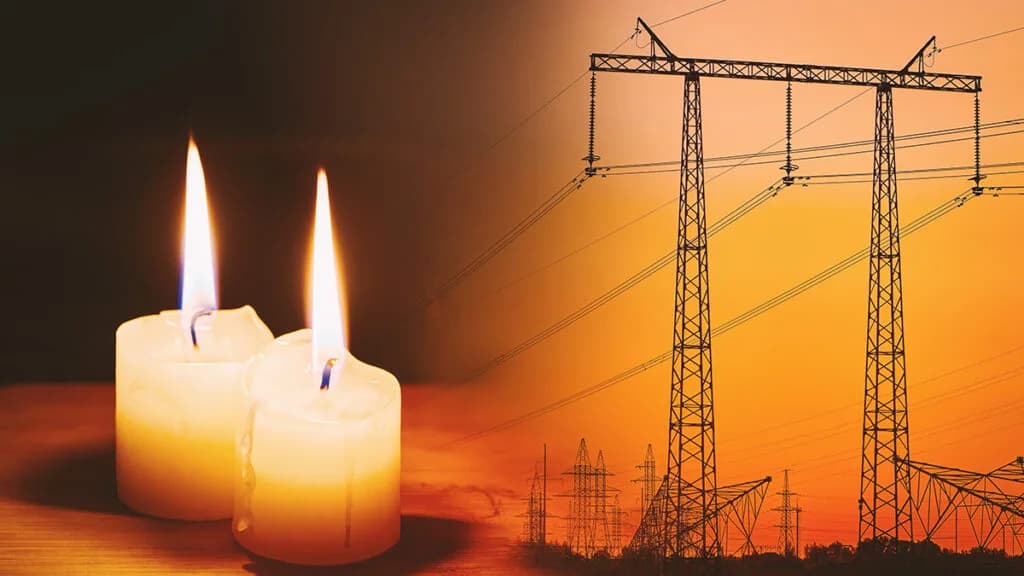
Economist: South Africans have realised that no one would come to their aid
According to the continent's largest bank, self-generation of energy by South African businesses and homes is expected to lessen rolling blackouts without jeopardising the state power utility's economic model. According to Goolam Ballim, chief economist of Standard Bank Group Ltd, as much as 1,000 megawatts of new generating capacity from privately held auxiliary power systems
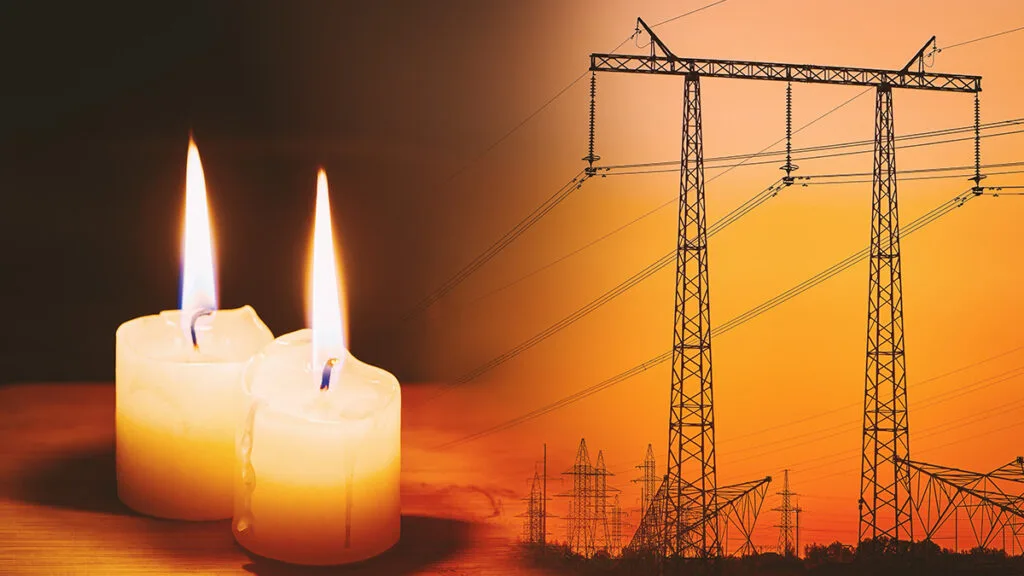
Economist: South Africans have realised that no one would come to their aid
According to the continent’s largest bank, self-generation of energy by South African businesses and homes is expected to lessen rolling blackouts without jeopardising the state power utility’s economic model.
According to Goolam Ballim, chief economist of Standard Bank Group Ltd, as much as 1,000 megawatts of new generating capacity from privately held auxiliary power systems might be installed yearly in Africa’s most industrialised economy. That equates to a one-stage decrease in power outages, often known as load shedding in the region.
Eskom, which supplies the majority of South Africa’s energy, has been failing to fulfil demand since 2008, and has forced the country into blackouts every day this year to save the grid from collapsing.
While the company has said that additional capacity of 4,000 to 6,000 megawatts is required, new projects have been reluctant to come online.
Businesses and people that “realise nobody is coming” to help them are increasingly resorting to self-generation, a strategy that, according to Ballim, is expected to bolster economic activity in 2023.
Standard Bank expects the economy to increase 1.3% this year, which is a full percentage point more than the central bank’s forecast.
According to Ballim, while self-generation would relieve grid congestion, it is unlikely to pose a fundamental threat to Eskom’s revenues and viability within the parameters of a scheduled debt restructure.
The government intends to assume between one-third and two-thirds of Eskom’s R396 billion debt, with specifics to be published in the February 22 budget. If the proposal considerably stabilises the utility’s balance sheet, Ballim believes it can tolerate some customer losses in the near to medium term.
“On the industrial and commercial scale, there will still be plenty of latent demand, and further demand will emerge in the South African economy once we have a stable power supply,” he said. According to him, it’s “quite plausible” that supply will stabilise later this year and into 2025.