Coal producer Kumba Iron Ore concerned with Transnet’s ongoing strike
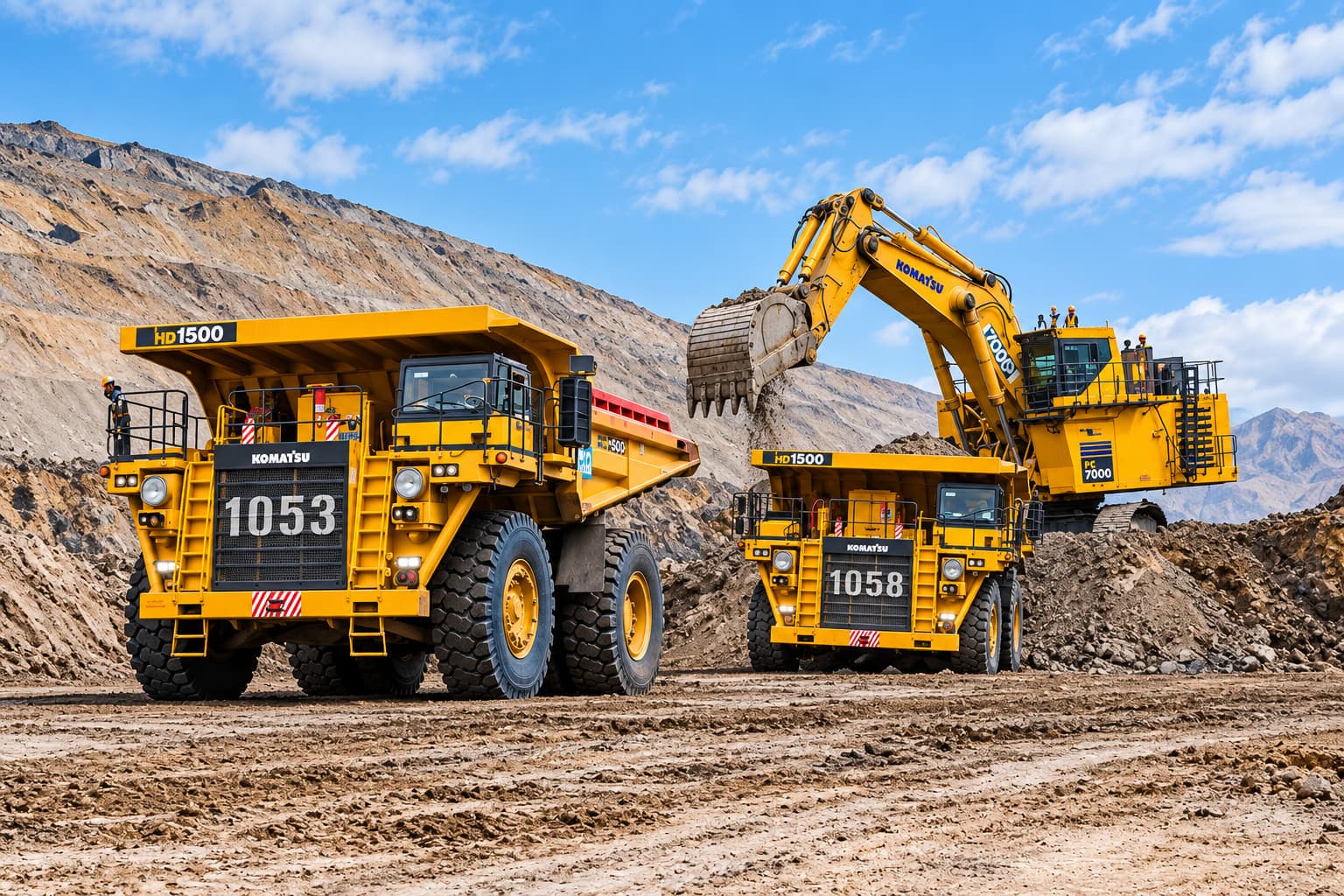
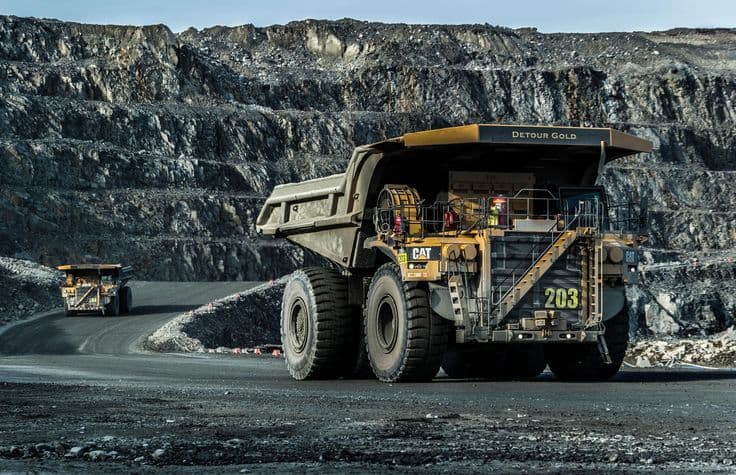
Despite saying it will continue to monitor the situation surrounding Transnet and its striking workers, Kumba iron Ore has expressed concerns about production and export sales. The mining company, Kumba Iron Ore, released a statement that the force majeure declared by parastatal Transnet last week – after their workers downed tools and embarked on a
Coal producer Kumba Iron Ore concerned with Transnet’s ongoing strike
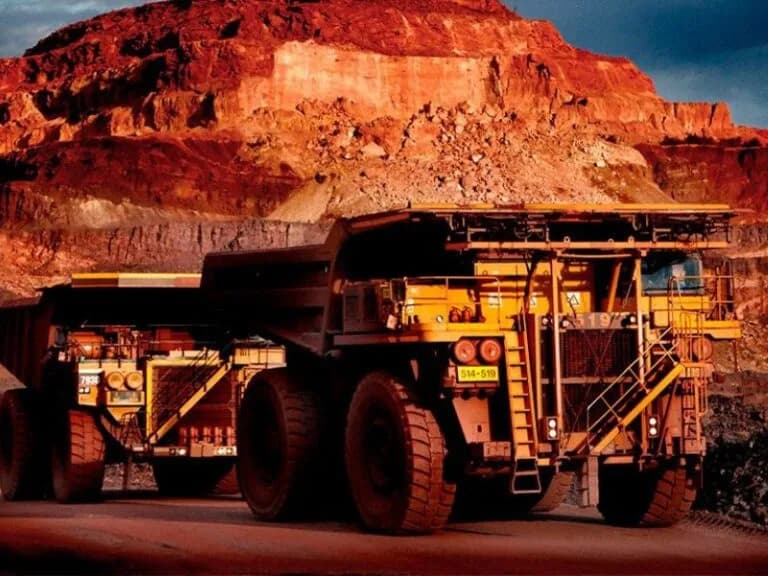
Despite saying it will continue to monitor the situation surrounding Transnet and its striking workers, Kumba iron Ore has expressed concerns about production and export sales.
The mining company, Kumba Iron Ore, released a statement that the force majeure declared by parastatal Transnet last week – after their workers downed tools and embarked on a strike over wages – will affect its production and export sales.
Joining the coal producer, Kumba, is exporter Thungela Resources who also announced it was keeping an eye on the situation, while other JSE- listed mining firms, including Exxaro and Glencore, kept mum on the disruption.
As per Independent Media Online, Kumba said it had implemented contingency plans to safeguard its assets and minimise the impact on operations.
“However, as a result of the disruption to Transnet’s rail and port services, the estimated impact on production is approximately 50 000 tonnes per day for the first seven days, and thereafter approximately 90 000 tonnes per day. Export sales will be impacted by about 120 000 tonnes per day,” said Kumba, which is majority owned by Anglo-American.
The impasse involving Transnet saw two trade unions’ – the United National Transport Union (Untu) and the South African Transport and Allied Workers Union (Satawu), which together represent most Transnet workers – rejecting last week’s wage increase offer of a 3% to 4% wage rise.
In addition, Thungela Resources said it continued to engage with Transnet to understand further developments, and in particular the impact of the declared force majeure on its business.
However, in a statement released last week, the group said industrial action would interrupt railing from its operations at the Richards Bay Coal Terminal (RBCT).
“Rail constraints over recent months have resulted in relatively high stockpile levels on our operations. Operations are, however, able to run without rail for a further seven days without experiencing a significant impact on production,” it said.
Given RBCT’s ability to load vessels and Thungela’s ability to draw down on healthy stock levels at the port, we currently expect the impact on sales for the fourth quarter of 2022 to be limited.”
“These include intensified helicopter surveillance, heightened focus on depots, and an increase in the number of reaction teams on the ground. We continue to engage with Transnet to understand further developments and the potential impacts on our business.”
The largest natural resources company in the world, Glencore, declined to comment and as things stand, the two unions have turned down an improved offer.
Satawu spokesperson Amanda Tshemese said the state rail, road, and pipeline company tabled a new offer of between 4.25% and 5% across the board, but the union is not budging on its demand for 12% to 13.5%.