
Cape Town's central line to be fully operational by December
The Passenger Rail Agency of South Africa (Prasa) has assured members of parliament (MPs) that Metrorail's Central Line service between Nyanga and Chris Hani, Khayelitsha, in Cape Town, will be fully operational by December 2023. Prasa staff informed MPs that the route had been severely damaged and vandalised, and committee members conducted an oversight visit
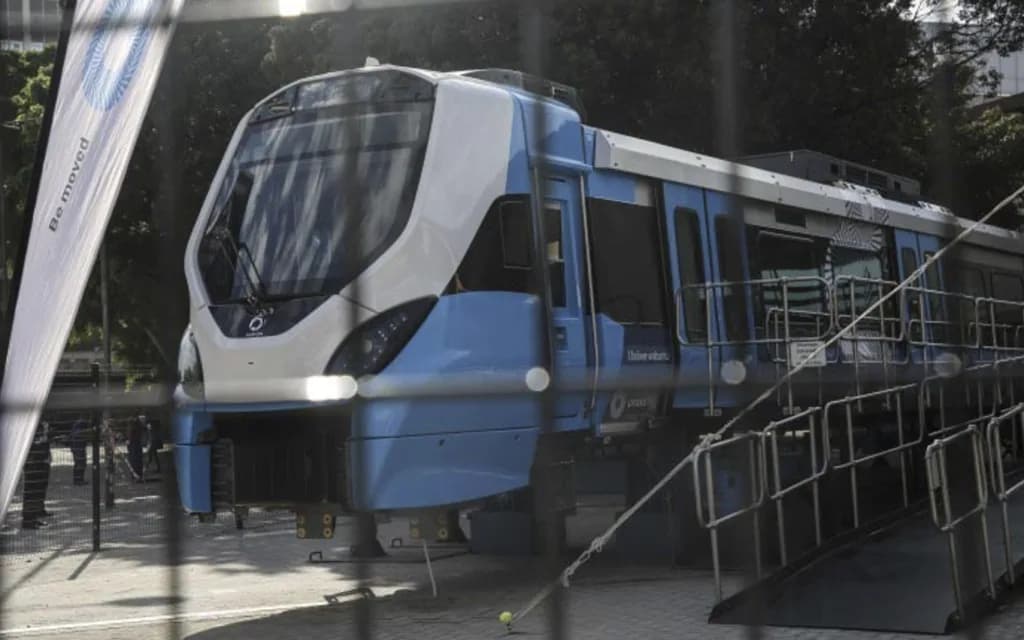
Cape Town's central line to be fully operational by December
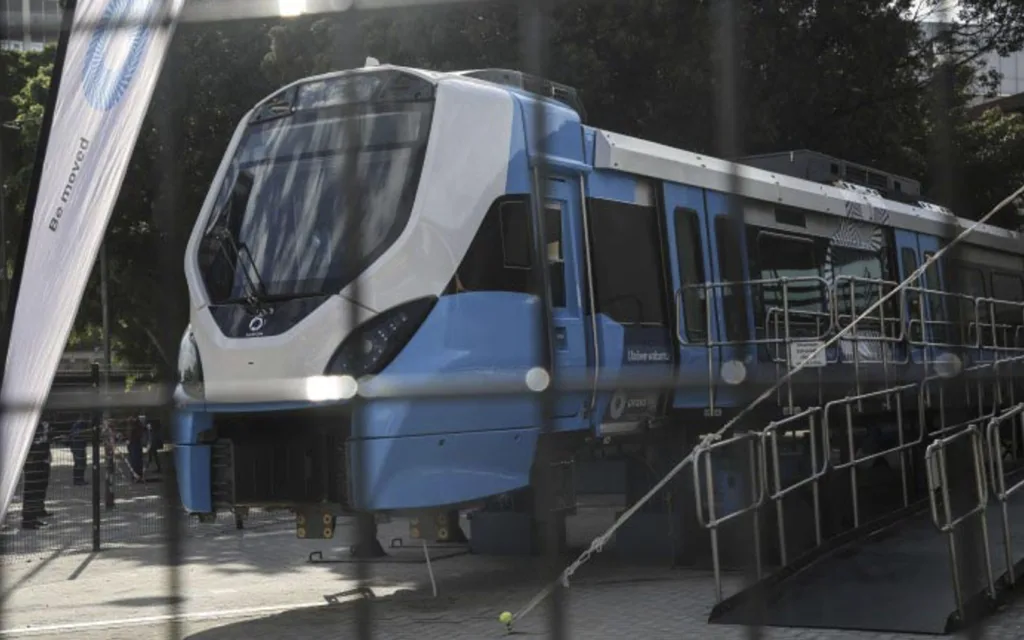
The Passenger Rail Agency of South Africa (Prasa) has assured members of parliament (MPs) that Metrorail’s Central Line service between Nyanga and Chris Hani, Khayelitsha, in Cape Town, will be fully operational by December 2023. Prasa staff informed MPs that the route had been severely damaged and vandalised, and committee members conducted an oversight visit to inspect train infrastructure along the line, from Nyanga train station to the Netreg and Bonteheuwel stations. Prasa partially resumed central line services in March 2022, and trains now run only from Nyanga to Maitland, stopping at all stations except Netreg, which is still being rebuilt.
However, committee members chastised Prasa for making an incorrect decision to cancel a security contract, leaving the entire Prasa railway infrastructure vulnerable and vulnerable to criminality, a problem exacerbated by the pandemic as there was vandalism of the structure throughout the country. The lack of security, not only in Cape Town but throughout the country, eventually collapsed and rendered the infrastructure vulnerable.
The committee believes that a functional railway is at the heart of a functional economy, and that many people rely on trains for transportation. Scopa wants to make certain that any assistance provided is in accordance with good governance and other relevant legislation. Bailouts and subsidies will be required, but the committee will continue to evaluate the situation.
The decision to cancel the security contract was rash, irresponsible, and incompatible with sound financial management, and this reality must be corrected. The committee will reconvene in January 2024 to determine whether the necessary correction was completed in a timely and cost-effective manner.
The newly appointed Prasa Group CEO, Hishaam Emeran, stated that contractors had been appointed, but the relocation process of shack dwellers needed to be sorted out with the assistance of the departments of Human Settlements, Public Works, the Housing Development Agency, and the City of Cape Town. People living in nearly 5,000 informal shacks have yet to be relocated, according to Emeran, and Prasa has begun Operation Bekela, which means “open up,” relocating nearly 900 shacks. Temporary fencing is being installed by the contractors.
Raymond Maseko, regional engineering manager, assured committee members that Prasa was working on the final sections of the central line. The next station after Nyanga is Philippi, where the work is currently being done. The line splits at Philippi, first towards Mitchells Plain, then towards Chris Hani, leaving three stations to reach Kapteinsklip and seven stations to reach Chris Hani, which is at the end. The project is scheduled to be completed in December.
Maseko stated that Prasa had six Nyalas and that the agency had deployed an intervention security unit along the central line. It is an integrated security plan that includes members of the community, law enforcement, crime intelligence, and the SAPS in order to manage all security threats along the Central Line corridor. Although the agency has been successful in eliminating theft and vandalism, Papadopulo stated that it currently has 2,000 personnel stationed at specific points. Previously, they did not have the arresting powers of a police officer, but Prasa has been training and developing its own officers to carry out the arrest since last year.
Parts of the central line have been suspended since 2018, with the exception of a brief period, and were completely closed in October 2019. This line was the busiest in Cape Town, serving the poorest communities, which included Khayelitsha and Mitchells Plain. Following the closure, families built their homes along the railway lines in Langa, Philippi, and Khayelitsha, as informal settlements expanded along the railway lines.