
Cape Town has announced funding for its power system
Cape Town Mayor Geordin Hill-Lewis announced the city can now pay cash for power fed into the local power grid. The system would initially be provided to companies before becoming available to Cape Town citizens. Participants will be compensated for selling extra electricity into the Cape Town grid. This comes after the National Treasury excused
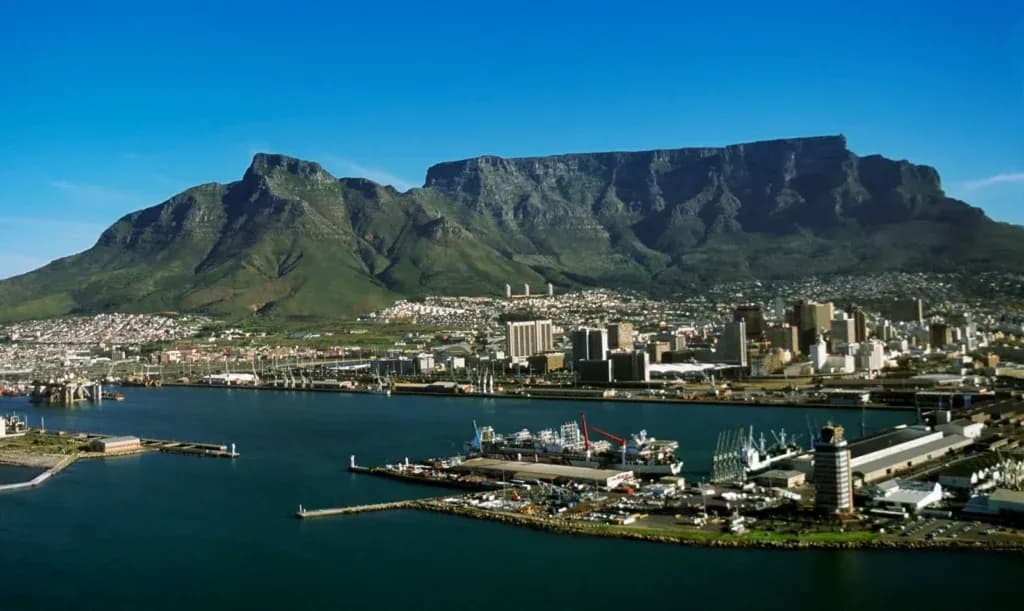
Cape Town has announced funding for its power system
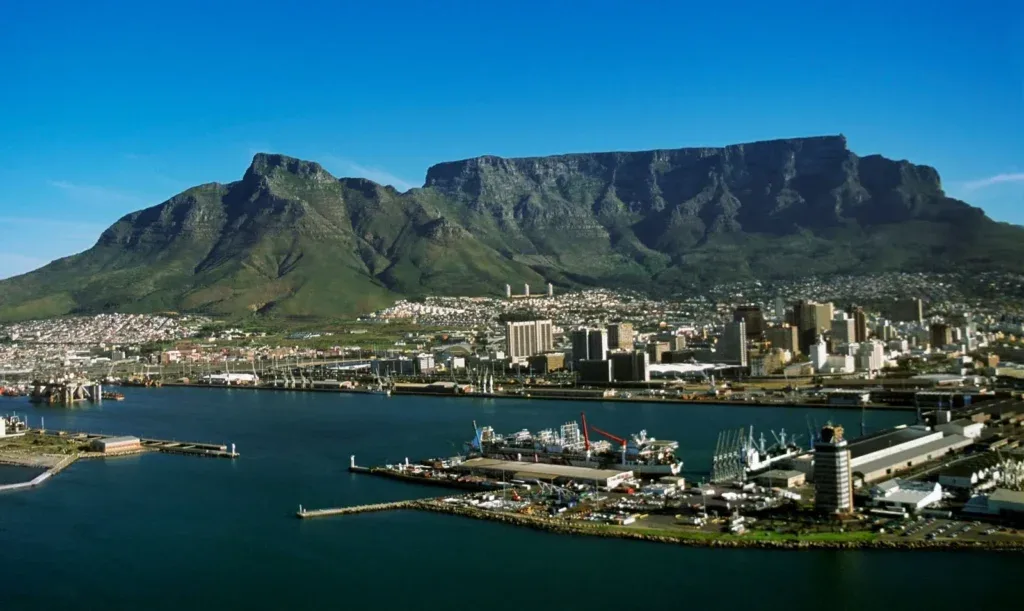
Cape Town Mayor Geordin Hill-Lewis announced the city can now pay cash for power fed into the local power grid.
The system would initially be provided to companies before becoming available to Cape Town citizens. Participants will be compensated for selling extra electricity into the Cape Town grid.
This comes after the National Treasury excused Cape Town from competitive bidding processes, claiming that they were not built for the “coming energy revolution.”
Within three years, Cape Town hopes to provide residents with four stages of load-shedding protection.
The sale of excess power generated by homes and businesses using small-scale embedded generation, among other generation systems, will help to achieve this goal.
“Payments to commercial customers will be possible before June, and within the year for any Capetonian with the necessary City-approved generation capacity,” Hill-Lewis said.
“If you’re thinking of investing in a solar system, it just got more attractive.”
He stated that the company intends to purchase power from as many city-supplied consumers as are willing to sell.
He said it aims to buy electricity from as many city-supplied customers as are willing to sell.
“These customers may now produce as much power as they can from their approved systems and feed it into Cape Town’s grid,” stated Hill-Lewis.
“Under this plan, we will also pay these customers an incentive over and above the Nersa-approved tariff as they help us turn the corner on load-shedding.”
For the current fiscal year, the National Energy Regulator of South Africa (Nersa) has authorised a tariff of 78.98c/kWh.
Cape Town will supplement this with a 25c/kWh incentive tariff.
According to Hill-Lewis, the city has been slowly laying the basis for reimbursement for extra small-scale electricity, including a wheeling trial for commercial and industrial customers.
The trial is assisting in the resolution of technical and invoicing concerns prior to a large-scale launch.
Customers that use small-scale embedded generation or wheeling to input energy into the grid must have their system approved and an AMI (Advanced Metering Infrastructure) metre installed by the city.
“This is a bi-directional meter that allows accurate reporting of the amounts of energy consumed and generated,” the city said.
“We know this meter is still too costly for many, and we are working on finding an alternative option of comparable quality and reliability.”
Customers who wish to improve their systems must first get permission from the city.
Using Section 3 of the Preferential Public Procurement Framework Act, Hill-Lewis said that Treasury gave Cape Town an exemption from competitive bidding and tendering rules that would otherwise apply to this process (PPPFA).
“The exemption is necessary because South Africa’s Public finance legislation did not foresee energy procurement from independent power producers, only from Eskom,” he said.
“The result is an insurmountable admin burden not suited to the dynamic, decentralised process of buying and selling electricity that is wheeled into the grid by a great number of small-scale generators, all of whom are being paid at the same price (and at a cost that is cheaper than Eskom).”
The need of a “competitive bidder / single winner for goods and services” according to Hill-Lewis, would make the process more difficult.
“Aside from competitive bidding exemption, the City’s power purchases will be fair, equitable, transparent and cost-effective in compliance with section 217 of the Constitution,” Hill-Lewis stated.
“The City furthermore does not envisage entering into further contracts with feed-in customers, and is instead finalising a pro forma standard agreement.”