
Cabinet Approves Groundbreaking Plan for South Africa's State-Owned Enterprises
The Cabinet has granted approval for a groundbreaking new strategy concerning South Africa's beleaguered state-owned enterprises (SOEs). This development comes with the green light given to the draft National State Enterprises Bill, presenting the potential for private equity investment within state-owned companies and their subsequent listing on the stock exchange. This transformative initiative encompasses major
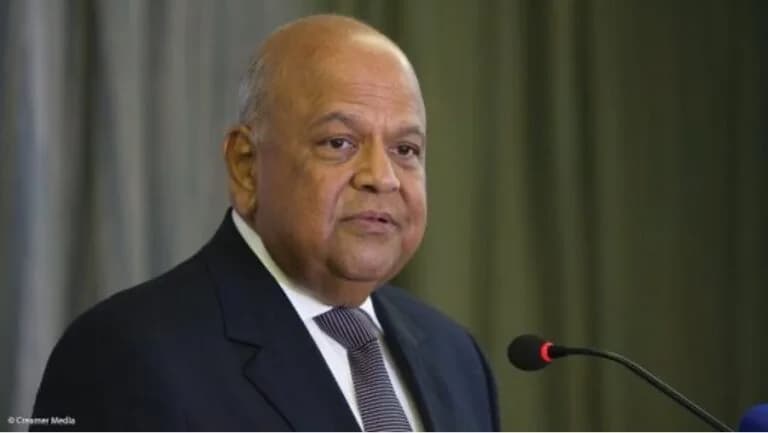
Cabinet-Approves-Groundbreaking-Plan-for-South-Africas-State-Owned-Enterprises
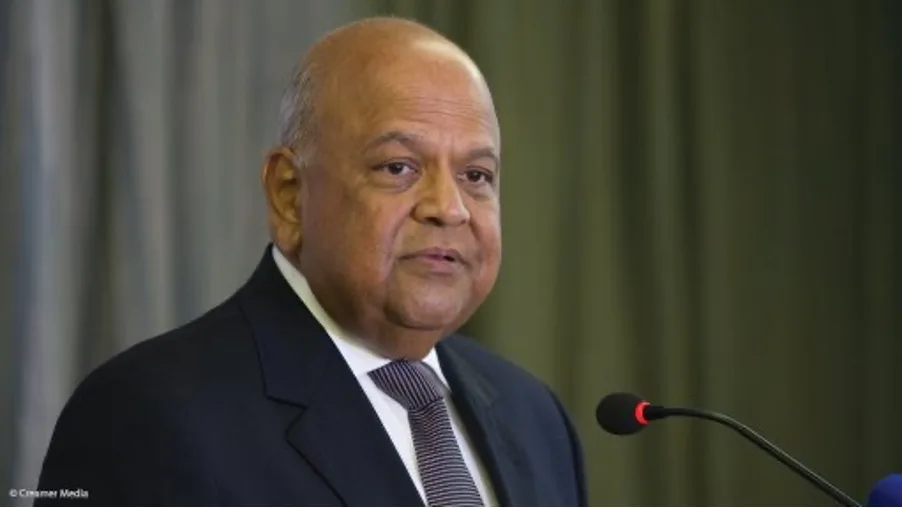
The Cabinet has granted approval for a groundbreaking new strategy concerning South Africa’s beleaguered state-owned enterprises (SOEs). This development comes with the green light given to the draft National State Enterprises Bill, presenting the potential for private equity investment within state-owned companies and their subsequent listing on the stock exchange.
This transformative initiative encompasses major commercial state enterprises like Eskom and Transnet, slated for relocation into a freshly established entity, the State Asset Management Company. The fruition of this vision is the result of five years of meticulous work by Public Enterprises Minister Pravin Gordhan, with guidance from select members of the Presidential State-Owned Enterprises Council. Although the council itself hasn’t produced a definitive policy document, the bill is set to be made available for public commentary in the Government Gazette by the end of this week.
At its core, the novel shareholder model draws inspiration from analogous reforms implemented in Malaysia, hinting at augmented private involvement within network industries. Urgently necessitating additional capital, entities like Eskom and Transnet currently grapple with borrowing constraints, compelled to bolster revenue streams to service their pre-existing debt.
Minister Gordhan has previously advocated for this model, emphasizing the advantage of compartmentalizing the state’s ownership responsibilities from its policy and regulatory roles. Such a separation minimizes the potential for political intervention, ushering in a heightened level of professionalism within these entities.
Furthermore, he has iterated that this innovative model will supplant the Department of Public Enterprises, rendering it obsolete. Yet, there remains uncertainty regarding how Gordhan’s proposed model will be received by the African National Congress (ANC), especially considering the ANC’s resolution in December of the preceding year. The resolution stipulated that all state-owned companies should revert to their respective line departments, with a particular emphasis on relocating Eskom to the Department of Energy.
Nonetheless, the likelihood of the bill swiftly navigating through both the National Economic Development and Labour Council (Nedlac) and Parliament seems slim before the legislative body dissolves, heralding the advent of the forthcoming elections. Parliament faces a hectic agenda as Cabinet ministers race to finalize their programs. Any legislation left incomplete by the time Parliament adjourns, likely in March, will necessitate a fresh commencement under the auspices of the new administration.