BTC to Launch Starlink Satellite to Mobile Service in Botswana in 2027
BTC plans to introduce Starlink-powered satellite-to-mobile connectivity in Botswana in early 2027, allowing compatible smartphones to access messaging, WhatsApp and maps in remote areas beyond conventional mobile coverage.
Starlink
Botswana Telecommunications Corporation (BTC) plans to launch a satellite to mobile service in partnership with Starlink in early 2027, allowing compatible smartphones to connect directly to satellites in areas without conventional mobile coverage.
The service, called BTC Satellite, will target remote parts of the country, including the Central Kalahari, northern wildlife conservation corridors and isolated border areas where extending terrestrial networks can be difficult and expensive.
Users are expected to access basic services such as text messaging, WhatsApp, maps and location sharing without needing a satellite dish or dedicated terminal. However, BTC has not yet announced which smartphone models will qualify, which mobile packages will support the service or whether customers will pay an additional fee.
Satellite connectivity for remote communities
Botswana's low population density makes the technology particularly relevant. World Bank figures put the country's population density at approximately 4.45 people per square kilometre in 2024.
For mobile operators, building and maintaining towers in sparsely populated areas can be difficult to justify commercially because relatively few customers are available to support the investment. Satellite to mobile technology offers another way to extend connectivity beyond existing network infrastructure.
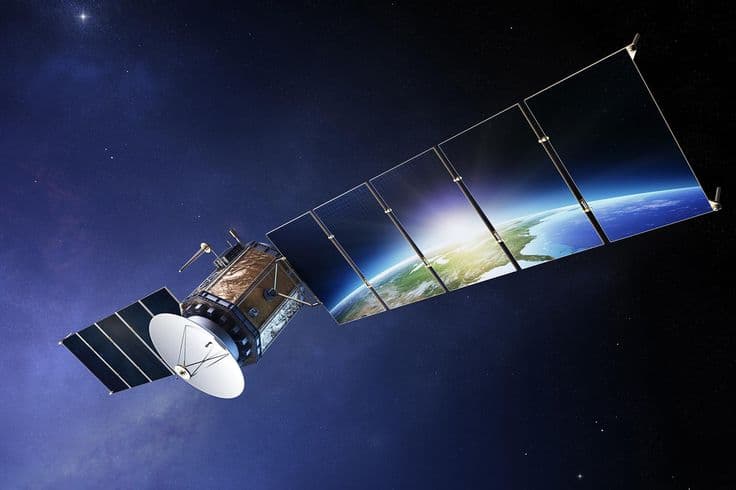
The system, also known as Direct to Cell or direct to device connectivity, allows compatible mobile phones to communicate with satellites operating as cellular base stations in orbit. BTC will integrate the service into its mobile network, while Starlink provides the satellite infrastructure.
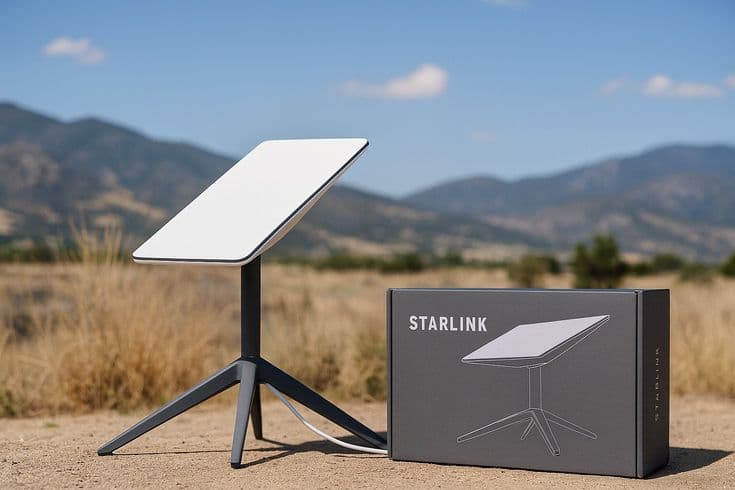
Unlike conventional Starlink broadband, which requires a dedicated satellite terminal, the service is designed to work with supported smartphones.
Technology has capacity and coverage limitations
The GSMA's February 2026 report, The Limits of D2D, identifies satellite-to-mobile connectivity as a potential solution for remote areas but cautions that available capacity, spectrum and signal strength limit performance.
Its modelling suggests that a satellite network offering speeds of 2Mbps could achieve adoption rates above 10% in areas with fewer than 40 people per square kilometre, rising above 20% in areas with fewer than 20 people per square kilometre under an extensive satellite and spectrum scenario.
Botswana's national population density falls below both thresholds. However, this does not guarantee consistent service across the country. Buildings and other obstructions can weaken satellite signals, making outdoor connections with a clear view of the sky more reliable. The technology is therefore intended to complement terrestrial networks rather than replace them.
Pricing and device compatibility remain unclear
BTC has yet to publish a list of supported smartphones or explain how customers will activate the service. Not every 4G handset will necessarily qualify, as compatibility depends on device specifications and network integration.
Experiences in other African markets provide some indication of how operators may introduce the technology. Airtel Africa launched its service in the Democratic Republic of Congo in August 2026 and Uganda on 24 September, with access limited to compatible Android LTE smartphones and eligible Airtel subscriptions.
Botswana already has extensive mobile population coverage. The Botswana Communications Regulatory Authority reported that 4G population coverage reached 98% in 2024/2025, up from 96.7% the previous year. These figures measure the proportion of people within reach of a network, however, not the percentage of the country's land area covered.
The distinction matters in a country where remote territory can remain outside conventional network coverage even when most residents have access to 4G.
Extending coverage will also not automatically make mobile internet affordable or accessible to everyone. The GSMA estimated that nearly 710 million people in sub-Saharan Africa lived within mobile broadband coverage areas but did not use mobile internet, based on 2023 data. Device prices, data costs and digital skills remain barriers even where networks are available.
BTC's early 2027 launch will add a satellite option to Botswana's connectivity infrastructure, but the service's practical reach will depend on compatible devices, commercial pricing and the areas where satellite connections can operate reliably.