
Amazon set to generate its own electricity in South Africa
The American multinational technology company, Amazon is set to generate its own electricity to run through the grid of South Africa’s struggling state-owned power utility Eskom, and it has emerged that it will source the power from a giant solar farm to be built in the Northern Cape. The project has already been approved by
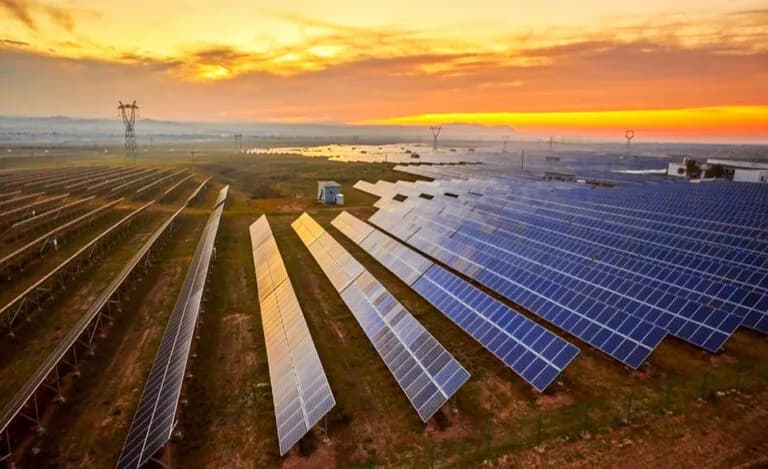
Amazon set to generate its own electricity in South African
The American multinational technology company, Amazon is set to generate its own electricity to run through the grid of South Africa’s struggling state-owned power utility Eskom, and it has emerged that it will source the power from a giant solar farm to be built in the Northern Cape.
The project has already been approved by energy regulator Nersa and it is being led by energy experts, The SOLA Group. It will supply 28GWh of solar power, “wheeled” via Eskom’s grid, to Amazon facilities each year, including the recently launched data centres in Cape Town built by Amazon’s cloud computing subsidiary, AWS. Construction will begin early next year.
The technology giant is going to power its new data centres including the ‘region’ data centre one for storage and processing opened in Cape Town by its cloud computing subsidiary, Amazon Web Services in Cape Town. Data centres are heavy energy users with banks of computing power running round-the-clock and often requiring cooling equipment to avoid overheating. It’s estimated data centres currently use up to 1% of the world’s electricity.
According to reports, Amazon said it is adding 26 new “utility-scale” wind and solar projects around the world, including its first facility in South Africa, bringing the total number of such projects to 127. The project has received a sought-after generation licence from Nersa, a milestone that other similar projects have struggled to achieve.
The SOLA Group will be responsible for developing the project in South Africa and will build, own and operate the 10MW solar facility. The project will be majority black owned, with Mahlako a Phahla Investments, a black women-owned and operated energy and infrastructure investment holding company, owning 45%.
The SOLA Group executive director Chris Haw said in a statement that although the concept of “wheeling” energy using Eskom’s infrastructure has been in place since 2008, administrative barriers have hindered uptake. “This project … has also received a sought-after generation licence from Nersa, a milestone that similar projects have struggled to achieve,” Haw said.
The Nersa process requires a signed power purchase agreement and fully developed project to obtain approval, he explained. “This creates contractual challenges because many inputs, such as the foreign exchange rate, are still fluctuating while the application process is under way. The high standard of development required for submission means that Nersa are not handing out licences to projects that won’t proceed, which is a very good thing.”
“Energy wheeling holds tremendous value in that it enables the supply of energy to urban areas, which has been generated from energy projects in outlying areas, such as a solar farm located in an area where the sun is most powerful and consistent. This is done through the transfer of electrical power via a utility’s transmission or distribution system between different grid or network service areas.”
Haw described the “wheeling use-of-system agreement” as the “largest solar PV wheeling arrangement in South Africa to date”.
The SOLA Group developed some of the county’s first independent power producer projects, signed the first bidirectional metering agreements with municipalities, and was responsible for solar-plus-storage projects such as the microgrid currently powering Robben Island.
Main Image: Youmatter