Farm software is becoming agritech's fastest-growing segment
Agritech startups are building more software and less hardware. Demand is growing for digital tools that help farmers manage their operations. Drones, sensors and automated machinery remain an important part of modern farming. But much of the latest innovation is happening through software. Startups are creating platforms that help farmers monitor crops, track weather, manage
Farm software is becoming agritech's fastest-growing segment
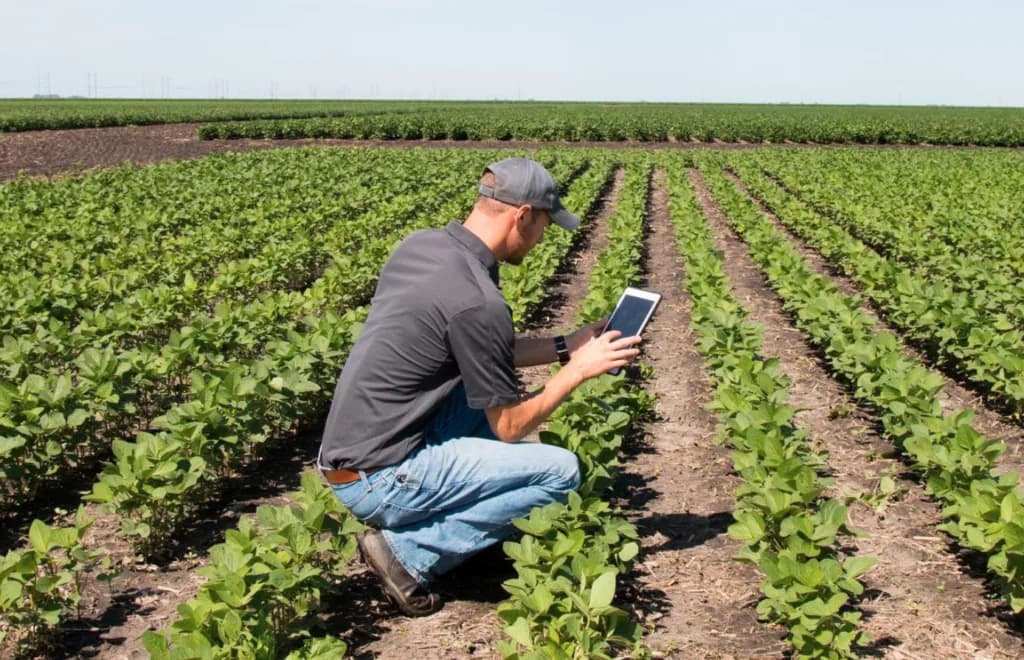
Agritech startups are building more software and less hardware. Demand is growing for digital tools that help farmers manage their operations. Drones, sensors and automated machinery remain an important part of modern farming. But much of the latest innovation is happening through software. Startups are creating platforms that help farmers monitor crops, track weather, manage irrigation and keep farm records in one place. Farmers see these tools as a practical way to improve efficiency without buying expensive new equipment.
Software is replacing manual processes
Many farm management platforms combine weather data, satellite imagery and field information. This gives farmers a clearer picture of what is happening on their land. Certain platforms can identify crop diseases or pest outbreaks from smartphone images. Others help farmers decide when to plant, irrigate or apply fertiliser. Many also include tools for tracking expenses, recording harvests and managing inventory. This replaces paperwork and spreadsheets with a single digital system. The same trend is emerging across Africa. Agritech startups are using software to tackle everyday farming challenges. Some companies provide weather updates, crop advice and market information through mobile phones. Others use satellite data to monitor crop performance. Several platforms also connect farmers with buyers, lenders and insurers. Startups are finding thatis easier to roll out than hardware. It also allows them to reach more farmers in less time.
Investors are backing digital agriculture
Investors continue to support startups developing digital products for agriculture. Software companies often need less capital to grow than hardware businesses. They can also update their products more quickly as customer needs change. Machinery will remain essential to farming. That is unlikely to change. However, software is becoming a bigger part of the agritech market as more farmers adopt digital tools. For startups, this creates an opportunity to solve everyday farming problems with practical digital products.