




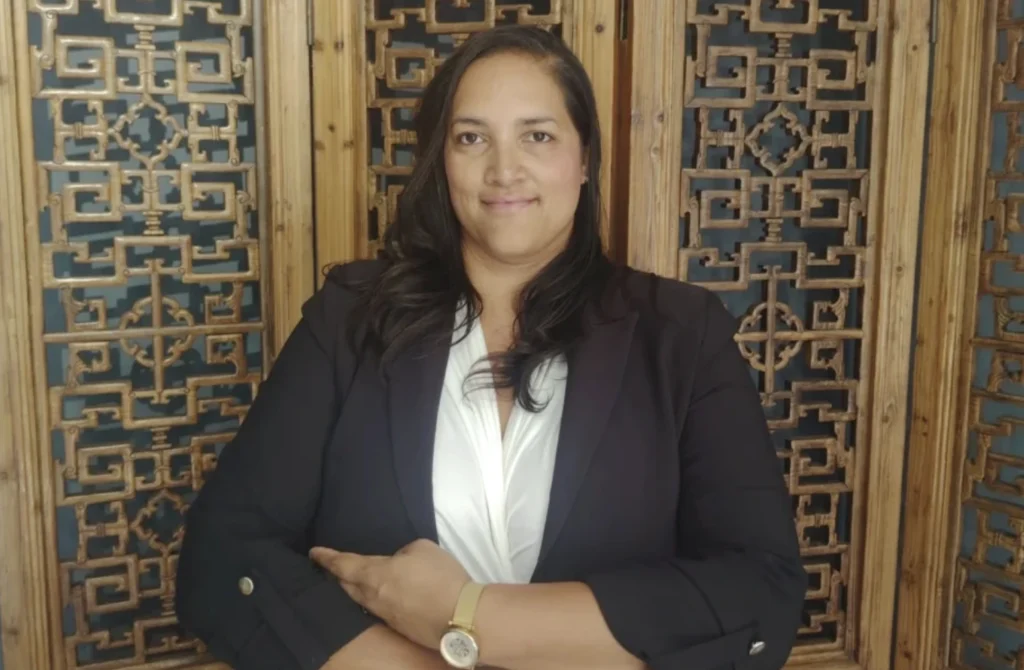
For many small business owners, bookkeepers, bookkeeping, and tax compliance often only come into focus when something goes wrong. Deadlines creep up, cash flow feels tight, and SARS becomes a source of stress instead of structure. has built her work around changing that reality. As the Founder of Bookkeepers South Africa, Lindsay is helping entrepreneurs treat compliance as a foundation for growth, not a last-minute scramble.
Building a firm that makes compliance practical
To make compliance less intimidating and more useful, Lindsay built Bookkeepers South Africa to support small and medium-sized businesses with bookkeeping, accounting, tax, payroll, and statutory compliance. She and her team work with owner-managed businesses, freelancers, contractors, and growing SMMEs that need reliable financial systems but do not yet have in-house finance teams. The focus goes beyond monthly submissions, helping business owners understand their numbers and make better decisions.
This focus came from what Lindsay saw repeatedly in the small business space. Many SMMEs were not failing because they lacked customers or capability. They were failing because compliance and financial administration felt confusing, reactive, and intimidating. Lindsay noticed entrepreneurs operating in survival mode, unsure of their obligations and often fearful of SARS. The gap was clear: small businesses needed trustworthy financial support that keeps them compliant while also educating them, without judgement or unnecessary complexity.
Earning trust and staying proactive
Turning that gap into a business came with its own hurdles. In the early stages, Lindsay says building trust was one of the hardest parts. Many clients came to Bookkeepers South Africa after penalties, incorrect submissions, or advice that created more problems than it solved. Education was another hurdle, because business owners often wanted quick fixes without understanding the long-term value of compliance. Those early experiences informed how Lindsay works today. She prioritises transparency, clear communication, and proactive planning, focusing on prevention rather than damage control.
Accounting and tax were always part of Lindsay’s professional path, but entrepreneurship developed through years of working closely with small businesses. She saw cash flow stress, informal recordkeeping, and compliance uncertainty holding back businesses that had real potential. That exposure reinforced her belief that small businesses need finance professionals who understand day-to-day realities, not only the rules on paper.
Growing across South Africa and learning what works
As the firm grew, maintaining quality across different environments became the next challenge. Expanding into Century City, Gugulethu, and Sandton required cultural awareness, strong internal controls, and consistent systems to deliver the same standard of work across every location. Every client, regardless of location, should receive accurate support that meets compliance standards and builds confidence in the business’s financial position.
Working across these communities has also given Lindsay a clear view of what separates stable businesses from struggling ones. She has noticed that businesses that gain momentum tend to separate personal and business finances early, keep records up to date, and review cash flow regularly. Many businesses fall behind because they ignore tax obligations until they become urgent or operate without budgets. Lindsay often points out that cash flow problems are not always income problems. In many cases, they come down to visibility, because owners cannot manage what they cannot see.
Compliance as credibility, and bookkeeping as a tool
For Lindsay, compliance goes far beyond submitting returns. It means accurate record keeping, correct registrations, timely submissions, and paying the right taxes at the right time. When businesses handle compliance properly, they build credibility with SARS, banks, investors, and suppliers. That credibility creates trust and opens doors to funding, partnerships, and long-term growth opportunities.
A major part of that progress is changing how entrepreneurs view bookkeeping itself. Lindsay works to help business owners stop seeing bookkeeping as a “grudge expense.” She explains that bookkeeping is a tool that reveals profitability, cash flow, and risk in real time. Once owners connect the numbers to decisions like pricing, hiring, and expansion, financial management becomes something that strengthens the business rather than drains it.
Teaching without overwhelming, and advice for the next generation
Education plays a key role in making that mindset change stick. Lindsay’s approach draws on more than 17 years of experience and her involvement in compliance and business growth workshops through the Stellenbosch University Small Business Academy. She focuses on simplification, using practical examples and avoiding jargon so business owners build confidence over time. The goal is not to turn entrepreneurs into accountants, but to help them lead with clarity.
When it comes to advice for young entrepreneurs, especially those operating informally, Lindsay encourages them to start with the basics and take compliance seriously from the beginning. She believes formalising early, separating finances, and keeping records even in a simple way protects the business and builds credibility long before a bank or SARS forces the issue. In Lindsay’s view, compliance is not a barrier to growth. It is the foundation for sustainability, funding, and long-term success.
Read more about Founder Fridays HERE