

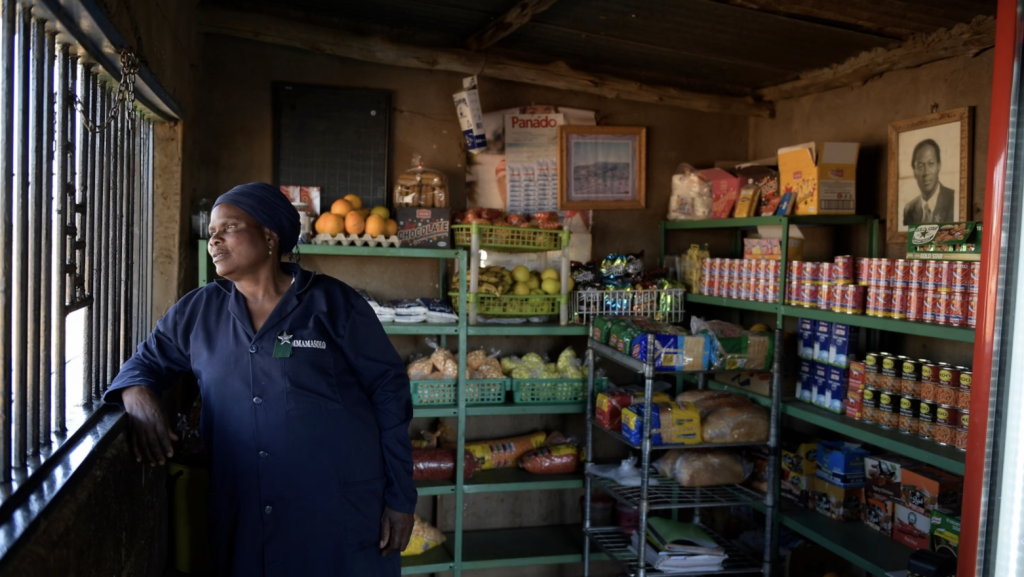
For many small businesses in Africa, the core challenge is not market access or entrepreneurial capacity but operating within a regulatory environment that is repeatedly revised, unevenly enforced, or poorly communicated. Taxes, permits, trade rules, and compliance obligations can change with little notice, turning long-term planning into a speculative exercise. Growth decisions whether to expand capacity, invest in equipment, or hire staff are made under conditions that favour restraint over ambition.
Policy uncertainty functions as a silent drag on enterprise development. Time and capital that should be directed toward improving productivity or entering new markets are instead absorbed by managing regulatory risk. For small firms with limited administrative capacity, this burden compounds quickly.
Why Uncertainty Hits Small Firms Hardest
Small enterprises operate without buffers. They lack compliance teams, legal advisors, and the cash reserves needed to absorb sudden regulatory shifts. Each unexpected change forces trade-offs: delaying investment, reducing formal commitments, or scaling back operations. Over time, this defensive behaviour suppresses innovation and locks businesses into low-growth trajectories.
The effects extend directly into financing. Lenders price risk based not only on business fundamentals, but also on the stability of the operating environment. Regulatory volatility raises perceived risk, pushing up borrowing costs and tightening credit conditions. For many SMEs, access to growth capital becomes limited or unattainable, reinforcing a divide between firms that can scale and those that cannot.
Trade Ambitions, Informality, and Regulatory Friction
Businesses seeking to operate beyond local markets face additional exposure. Shifting tariffs, inconsistent customs procedures, and foreign exchange controls disrupt supply chains and undermine pricing strategies. Continental initiatives such as the African Continental Free Trade Area aim to reduce these frictions, but uneven implementation continues to constrain SME participation in regional trade.
Policy instability also shapes decisions around formalisation. When compliance systems are unpredictable or punitive, informality becomes a rational response. Operating outside formal structures reduces exposure to regulatory shocks, but at the cost of access to finance, procurement opportunities, and structured value chains. This trade-off entrenches low productivity and limits long-term growth.
Predictability as a Growth Enabler
Policy stability does not require rigid or static frameworks. It requires transparency, credible timelines, and consistent enforcement. Businesses can adapt to change if they are able to anticipate it. Clear communication, phased implementation, and meaningful engagement with small business stakeholders significantly reduce uncertainty, even when reforms are imperfect.
For Africa’s small businesses, predictability creates the space to invest, formalise, and scale. Without it, entrepreneurship remains an exercise in endurance rather than expansion. With it, small firms can move beyond survival and begin to build durable, competitive enterprises.