

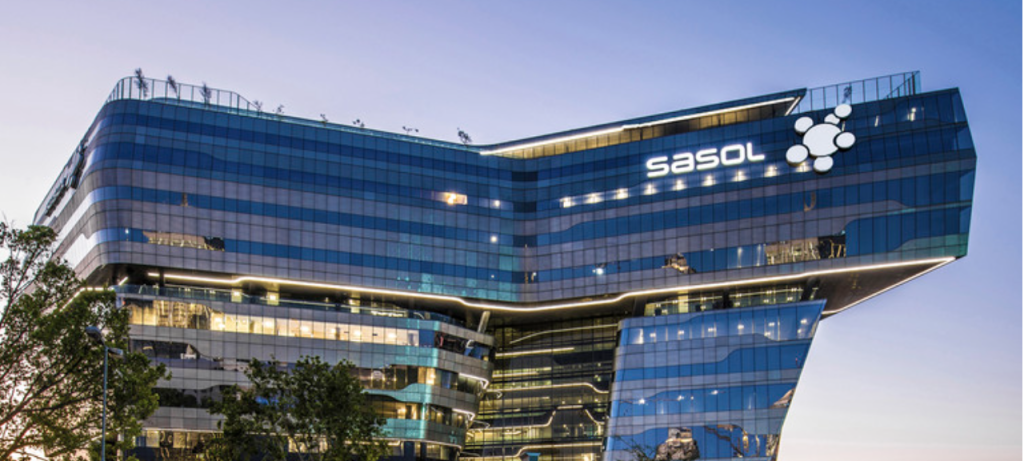
Sasol has opened an integrated hydrocarbon-processing facility in Temane, built to supply natural gas to the 450-MW Temane gas fired power plant. The project strengthens Mozambique’s ability to generate electricity domestically at a time when national demand continues to rise, creating a clearer path for expanding the country’s power capacity.
The company says the facility’s main role is to supply gas under its Production Sharing. Agreement with the Mozambican government. Authorities note that the added infrastructure broadens the country’s energy options and helps relieve pressure on the national grid.
Integrated System for Extraction, Processing and Delivery
The Temane development combines upstream extraction with processing and direct gas transfer to the adjacent power station. Sasol explains that the facility was engineered to keep gas flow stable, ensuring reliable output at the Temane plant.
Government officials often highlight that Mozambique still relies heavily on the Cahora Bassa hydropower dam and on electricity bought from the Southern African Power Pool (SAPP). As industrial activity expands and cities grow, this reliance has become more challenging for an already stretched electricity system.
Growing Demand and the Push for Additional Generation
In 2024, Electricidade de Moçambique (EDM) reported that the country needs more gas-fired plants, particularly in the south where consumption continues to accelerate. The Temane facility responds to this pressure by allowing more locally produced gas to be channeled into the national power mix.
Local data shows strong momentum in electrification: over 560,000 households gained access to electricity in 2024, including 395,622 via the national grid. According to the World Bank, electrification has climbed from 31% in 2018 to nearly 60% in 2024, highlighting the scale of the country’s energy requirements.
The new Sasol facility deepens the connection between the Pande Temane gas fields and Mozambique’s domestic power sector. By directing a greater share of this gas toward local electricity generation rather than exports, the project strengthens the country’s ability to meet growing demand using its own resources.