




BMW Committed to Auto-Sector Growth
BMW Group South Africa yesterday gave an update of the group’s performance from 2025 and confirmed the auto-makers ongoing commitment to building a strong automotive manufacturing industry in South Africa.
CEO, Peter van Binsbergen, outlined their 2025 performance and strategic direction for the year ahead during its Start-of-Year Media Update, highlighting record premium segment leadership, strong local production and continued recognition across product excellence, people practices and corporate responsibility.
In 2025, the BMW brand achieved its highest-ever premium segment share locally, exceeding 46,15%, despite ongoing affordability pressures and intensifying competition in the South African automotive market (based on Naamsa data). This performance reflects the continued strength of BMW Group South Africa’s product portfolio, long-term customer value proposition and disciplined execution across the business.
Momentum was strong across all brands. MINI closed the year with a premium segment share of 5.67%. Combined, BMW and MINI captured 51.82% of the premium segment. Despite a challenging market, BMW Motorrad delivered a robust performance, growing by 12% Y-o-Y, maintaining a segment share above 39.3% (combined segment of >251cc).
X3 Series – Core Product for SA
The investment of around R11 billion into their Roslynn plant in Pretoria over the past decade, with a state of the art X3 plant was a game-changer. The groups produced a record number of new vehicle units in 2025, hitting a remarkable 79 000 plus units, utilising a 24hour production process split into three shifts, had ensured that the facility more than met the global demand for the South African 2025 car of the year the X3.
Van Binsbergen said that the X3 had been “the sweet spot for BMW in South Africa”, driving a big international export market for the innovative product. This record breaking output reflects the sustained global demand and the plant’s ability to maintain operational excellence amid supply-chain volatility and market uncertainty. It certainly provides a model that other manufacturers should look at.
Challenges For Local Industry Need Attention

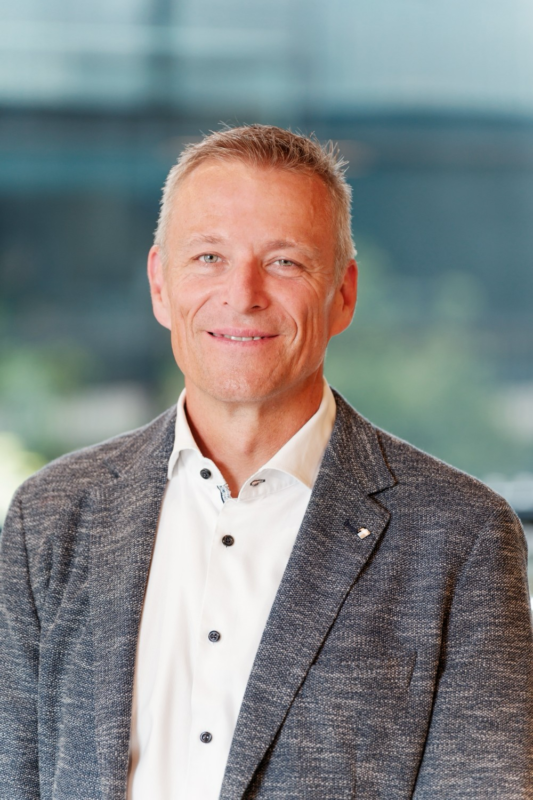
Peter, who heads the local auto manufacturers association NAAMSA, highlighted the recent discussions with government regarding increasing tariffs on fully imported vehicles. While the industry does not support a 50% import tariff van Binsbergen believes there is a middle ground that cam keep a level plying-field in the competitive automotive sector, that has seen multiple new cheap Chinese imports disrupting the market.
He stressed that despite ongoing challenges in the sector, highlighted by Nissan’s exit from it’s manufacturing facility in South Africa, that there was great optimism from BMW underpinned by 40 new models planned for introduction into the local market over the next 2-years. These will all be based on the latest Neue Klasse vehicle DNA and will include the new BMW iX3.
BMW SA also just launched a new X3 Rugged model as well as a new Mini Countryman Rugged edition and will also be launching new Mini John Cooper Wors limited edition as well as a brand new BMW GS450 motorcycle model in its Motorad range.
South Africa has recently lost its position as Africa’s largest automotive manufacturing region to Morocco, has had multiple challenges apart from its distance from major markets. Van Binsbergen when asked why the local automotive industry was not growing despite global growth and local incentive provided, stated that the key hurdle the industry had to growth, was the slow speed in decision making from the South African government. This created uncertainties and damaged the likelihood of more investment. “wee need a strong Aoto manufacturing industry in South Africa”, said van Binsbergen, If the supply chain is diminished here the whole industry suffers”